
Find Your Joy: How the Right Book Changes Everything for a Child
The official theme of National Library Week 2026 sounds like a poster slogan. It's actually a precise instruction — and for children, the right book can be the difference between a reader and a non-reader.
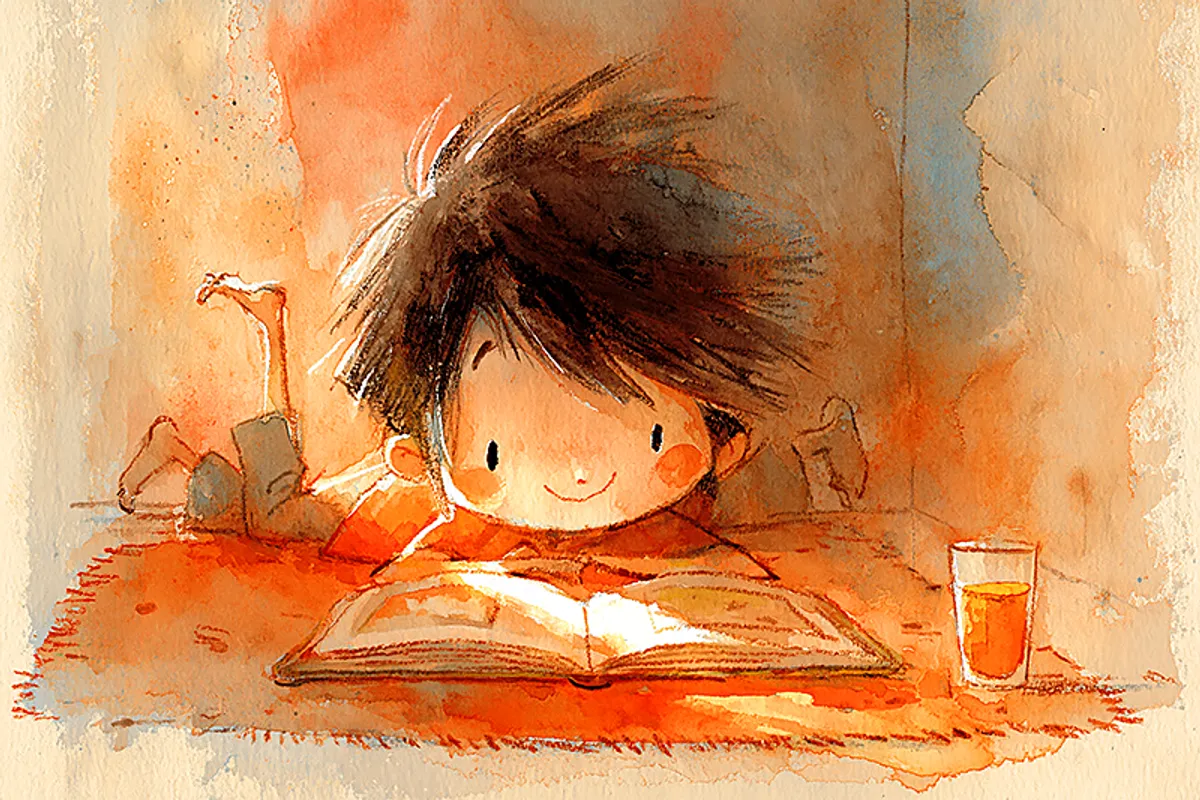
“Find Your Joy” is the official theme for National Library Week 2026. It sounds like it was chosen by committee, which it probably was. It sounds like a poster you’d see above a display of summer reading program sign-ups.
It’s also, if you think about it for more than a moment, a precise description of what reading does for a child who finds the right book at the right time.
Not joy in the vague, aspirational sense. Actual joy. The kind that makes a child miss their stop because they’re still reading. The kind that makes bedtime feel like an interruption instead of a relief. The kind that turns a child who says “I don’t like reading” into a child who is reading at the breakfast table before they’ve finished their cereal.
The question — the real question the theme is asking — is what “right book” means. And the answer is more specific than most reading advice acknowledges.
What Reading Research Actually Shows
The research on children’s reading engagement keeps returning to the same finding: the content of the book matters as much as the act of reading.
This sounds obvious. It’s not, in practice, treated as obvious.
The conventional advice — get them reading anything, the habit is what matters, even if it’s Captain Underpants — is well-intentioned and partially true. The habit matters. Volume matters. But what a child reads shapes what they come to believe reading is for.
A child who reads books where they never see anyone who looks like them, lives like them, or faces challenges remotely similar to theirs learns, gradually and without anyone saying so, that books are about other people. Reading becomes a form of tourism — you go somewhere else, look around, come home. Some children love this. Many do not.
The children who become lifelong readers, overwhelmingly, found a book that made them feel seen. Not just entertained. Seen. A book where the experience on the page overlapped with the experience in their own life enough that the story felt true in the way that only true things feel true.
The Seeing-Yourself Effect
There’s a term in educational research: “mirrors and windows.” Windows are books that let children see into other worlds. Mirrors are books that reflect their own experience back at them.
Both are valuable. Both are necessary. But for children who are still deciding whether they’re “readers,” mirrors tend to come first.
A child who sees a protagonist who looks like them, lives in a family like theirs, faces something they’ve faced — that child’s brain processes the story differently. The reading isn’t effortful in the same way. The imagination doesn’t have to work as hard to bridge the gap between the character and themselves. The joy is more immediate.
This is why representation in children’s literature matters, and why parents who say “my kid just doesn’t like reading” are sometimes describing a child who hasn’t yet found their mirror.
What “Personalized” Actually Does
A personalized children’s book takes the mirror concept to its logical conclusion.
Not a book with a character who is vaguely like your child in hair color and rough age. A book where the character is your child — named for them, described by their characteristics, placed in situations that reflect their specific world. The child reading the book is not looking at someone else’s story. They’re looking at their own.
The effect on engagement is significant. Children who receive a book written specifically for them often want to read it immediately, then again, then again after that. Parents report that these are frequently among the most-read books in the house — not the most visually impressive or the most award-winning, but the most returned-to. Because returning to a book about yourself is different from returning to a book about anyone else.
Finding your joy in reading, for many children, begins exactly here: with a story that refuses to be about anyone but them.
The Week Is a Prompt
National Library Week is useful in the way holidays are useful: it gives you a socially acceptable reason to do something you already wanted to do.
Go to the library. Let the kids browse without an agenda. Ask a librarian what they’d recommend for a child who says they don’t like reading. Renew the cards that lapsed during the chaos of the school year.
And if you want to give a gift that honors what the week is actually about — the premise that reading should be joyful, and that joy is personal — a book written specifically for your child is the most direct version of that premise you can put in their hands.
Not because libraries aren’t enough. Because libraries are full of stories for every kind of child, and this is the story for this one.
Every Libronauts book is written for a specific child — not filled in from a template, but written. We use what you tell us about your child to create a story that belongs to them and to no one else. If “Find Your Joy” is the theme this week, a book that knows your child’s joy by name is how you make it real.
20% off your first book.
One email. One code. No pressure.
We respect your inbox. Unsubscribe anytime.
Read Next
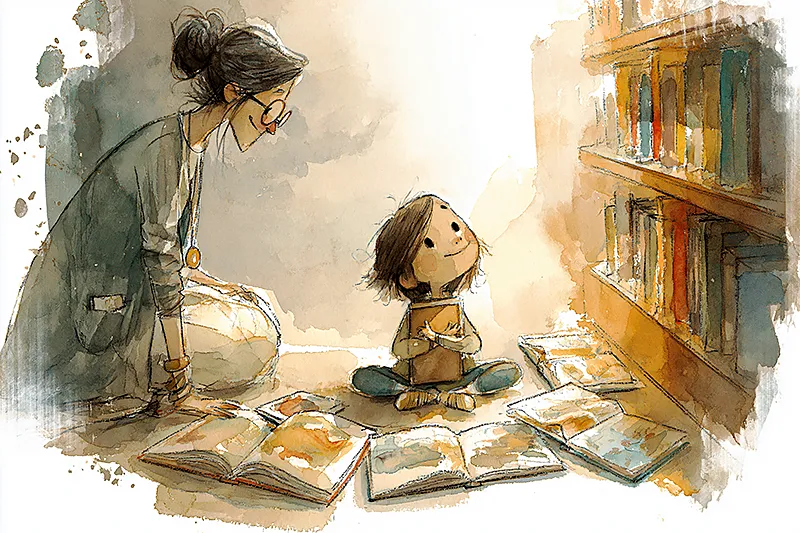
Celebrate National Library Week with a Story Just for Them
Libraries give every child access to stories. Personalized books go one step further — they make your child the hero of their own. This National Library Week, give them both.
The Christening Gift That Outlasts Everything Else on the Table
Silver frames tarnish. Money goes in a bank account and disappears. But a personalized book given at christening is the beginning of a story — literally. It's there on the shelf twenty years later, a record of who this child was the day they were named.
The Personalized Book for the Child Who's About to Become a Big Sibling
A new baby changes everything — for the baby, yes, but especially for the child who was there first. A book that makes them the hero of this exact transition does something no 'welcome baby' book can.