
Personalized Books for Children on the Autism Spectrum: What Actually Helps
Many autistic children find it difficult to connect with books about other people. That difficulty, and how personalization addresses it, has a clear explanation.
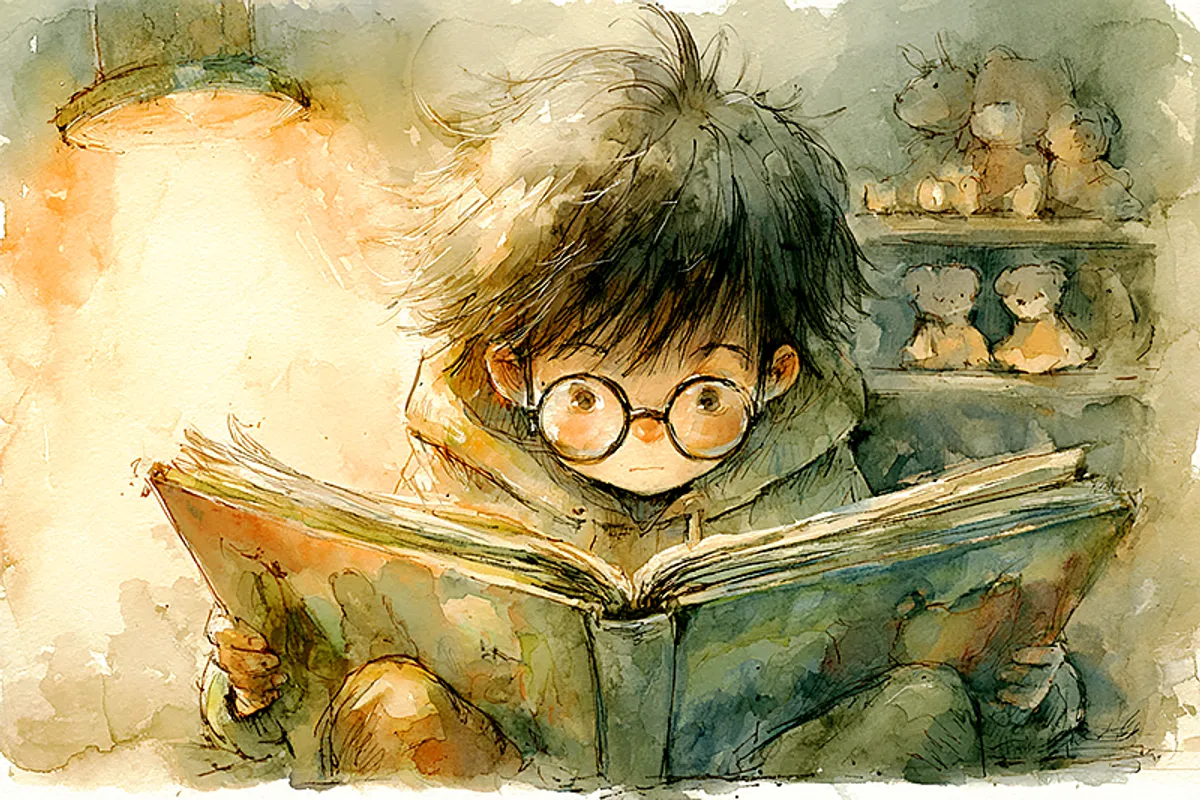
For many children on the autism spectrum, reading presents a specific challenge that goes beyond decoding words. The characters in most children’s books are unfamiliar people pursuing unfamiliar goals in social situations that may feel remote or confusing. For children who struggle with theory of mind — understanding the internal states of others — following a stranger’s narrative across thirty pages requires sustained effort in an area that is already taxing.
This is not a reading problem in the traditional sense. It is a relevance and perspective-taking problem. And it suggests that the most useful intervention is not always about decoding support — it is about making the story matter to this specific child.
Theory of Mind and Narrative Engagement
Theory of mind — the ability to attribute mental states to others and to understand that others have beliefs, desires, and perspectives different from our own — develops at different rates in different children. For many autistic children, theory of mind develops later, or in a different way, than for neurotypical peers.
Reading a story about someone else requires sustained theory-of-mind engagement. You need to track what that character wants, what they fear, what they know, what they don’t know, and how the world looks from inside their experience. This is the cognitive machinery that narrative fiction exercises.
When that machinery is still developing or works differently, following a fictional stranger’s inner world across a book is hard work. Many autistic children respond by disengaging from the narrative — not because they cannot read, but because the sustained perspective-taking effort is exhausting.
What Changes When the Hero Is Them
When a story is genuinely about the child themselves — their name, their face, their interests, their specific world — the theory-of-mind demand is different.
Following the inner life of a character who is you does not require imagining someone else’s perspective. You are already inside that perspective. The story’s premise meets the child where they already are, rather than asking them to travel elsewhere.
This is not a workaround. It is a different kind of engagement. Children on the spectrum who find fiction difficult often have no trouble recounting their own experiences, narrating their own preferences, or engaging deeply with topics that are personally significant to them. Self-referential narrative — a story that is actually about me — taps the same capacity.
Parents of autistic children frequently report that personalized books produce different behavior than standard fiction: the child picks the book up without prompting, returns to it repeatedly, and shows it to other people. The same child who could not engage with a library book sits with a story about themselves for an extended time. Our personalized storybook with your child’s face is built around this recognition response.
Sensory and Predictability Considerations
Many autistic children also have sensory sensitivities or strong preferences for predictability. Both of these affect the reading experience.
Predictability: A personalized book, once read, is predictable — the child knows what comes next. For children who find unpredictability aversive, the second, third, and tenth reading of a book about themselves may be more calming than a new book each time. The familiar character (themselves), familiar narrative, and familiar illustrations reduce the novelty demand while still engaging with words and images.
Illustration density: Some children on the spectrum are sensitive to visual complexity. Illustrations with many simultaneous elements, high contrast, and busy backgrounds can be overstimulating. When choosing a personalized book, look for a service that offers illustration options — softer palettes, less density per page, fewer simultaneous actions. Some services now offer a “calmer” illustration mode specifically for this purpose.
Text rhythm: Repetitive and predictable text patterns — rhyme, repeated refrains, predictable sentence structures — are often more accessible for children who benefit from predictability. A book that offers rhyming verse or a slower, more deliberate text rhythm can reduce the effort required to follow the narrative.
Representation in the Illustrations
For children on the spectrum who use AAC devices, have visible support needs, or who look different in any way that distinguishes them from the standard protagonist in children’s books, seeing themselves in a story is not just engagement-enhancing — it can be genuinely significant.
Most children’s picture books still feature a very narrow range of protagonists. A child with an AAC device, a wheelchair, hearing aids, or any visible difference rarely sees themselves as the hero of a story. When they do — when the character in the illustrations genuinely looks like them — the reaction is frequently different from a neurotypical child’s.
Autistic children often have strong responses to accurate representation. A detail in the illustration that matches their specific reality — the glasses they actually wear, the special toy they always carry, the familiar colour they love — can create a connection to the book that transcends the narrative itself.
A Practical Note on Creation
Creating a personalized book takes 10–15 minutes. You provide the child’s name, age, personality details, and a photo. The story is generated for this specific child, with the AI-generated illustrations reflecting their appearance.
For children on the spectrum specifically, a few details are worth including when creating the book:
Be specific about interests. The more specific the interest, the more the story feels accurate. Not “likes space” but “loves the moons of Jupiter and wants to know all their names.”
Include physical details that matter. If your child wears glasses, uses an AAC device, has curly hair they are proud of — tell the book what to show. These details appearing consistently across illustrations is exactly the self-referential anchor that makes the story feel true.
Consider requesting a calmer art style if your child is sensitive to busy illustrations. A book that uses a softer palette and less complex page layouts may be more accessible.
Think about text style. Rhyming books can be easier for children who benefit from predictability. Non-rhyming prose with a calm rhythm can also work well. It depends on the child.
A personalized book is not a therapy, and it is not guaranteed to solve reading difficulties. But for children on the autism spectrum who struggle to engage with stories about other people, a story genuinely about them — with a character who looks like them, shares their name, carries their details — removes the most significant obstacle. The story is already about someone they understand.
Price range: $69–$129. Ships globally via Gelato.

20% off your first book.
One email. One code. No pressure.
We respect your inbox. Unsubscribe anytime.
Read Next
Why Personalized Books Work Especially Well for Children With ADHD
The research on ADHD and reading engagement points to something specific about how these children respond to stories that are about them.
AI Personalized Children's Books: What They Are and How They Work
The difference between a name-swap and an AI-written story is not a marketing distinction. It changes what the book is.
What Makes a Personalized Children's Book Worth It?
Most personalized books change the name. A few change something else entirely. The difference is not subtle once you've seen it.