Best Personalized Children's Books: What Actually Makes One Worth Buying
The personalized children's book market has exploded. Most of what's out there inserts a name into a template and calls it personalization. Here's how to tell the difference — and what makes a truly great one.
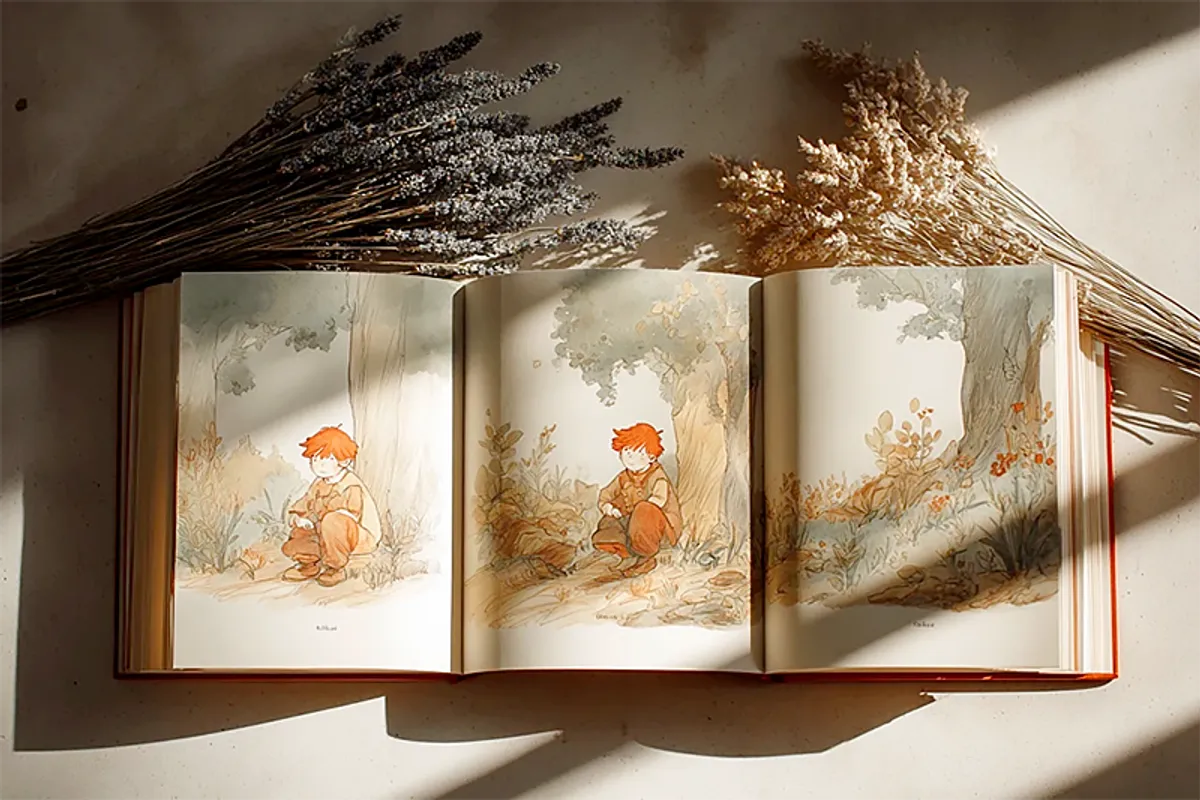
The personalized children’s book market has grown dramatically over the past decade, and with it, a significant range in quality. At one end: books that take a generic story, do a find-and-replace on the protagonist’s name, and ship a hardcover with a child’s name on the cover. At the other: books where the child’s actual appearance, personality, and story shape the narrative from the ground up.
Both are called “personalized.” The difference in what the child experiences — and what the gift communicates — is substantial.
This guide explains what to look for, what to avoid, and how to evaluate whether a personalized book is genuinely worth giving.
The Core Question: What Is Actually Personalized?
The most important question to ask about any personalized children’s book is: what exactly has been personalized?
Name only — the lowest tier. A template story where every instance of “the child” has been replaced with “Emma” or “Oliver.” The illustration is generic. The plot has nothing to do with this specific child. The result is often pleasant but forgettable — the name-insertion is visible in the text, and the child who is a sophisticated reader will notice they’re not actually in the story.
Name and basic details — one step up. Some services allow customization of hair color, skin tone, and a few biographical details (age, hometown, pet’s name). The illustration is more specific, but the story structure remains a template. Better, but still fundamentally a template with variable fields.
Name, appearance, and a narrative tailored to the child — the tier that produces books children actually bond with. Here, the story itself has been shaped by who this child is — their personality, their interests, their particular kind of courage or curiosity. The illustration uses the child’s actual features. The result doesn’t read like a template. It reads like a story written for a specific person.
AI-crafted from the child’s actual details — the current frontier. Services using AI generation can create narratives that incorporate specific details about the child that couldn’t exist in a pre-written template. The child who loves beetles and has a grandmother in another country can receive a story where both of those specific facts matter to the plot. This level of personalization was not commercially available a decade ago.
What Makes Illustration Quality Matter
Illustration in a personalized book does two distinct jobs: it has to be beautiful enough to sustain a child’s attention across multiple re-reads, and it has to capture the specific child accurately enough to produce recognition.
The recognition moment — when a child first sees their illustrated self — is one of the most delightful reactions in gift-giving. It happens reliably when the illustration is good. It fails when the illustration is generic, or when the likeness is so approximate that the child has to be told “that’s you.”
Photo-based illustration — services that take a submitted photo and produce illustration from it tend to achieve the highest recognition accuracy. The illustration style matters: a photorealistic rendering feels different (often uncanny) compared to a stylised illustration that captures the child’s essence without trying to replicate them exactly. For a closer look at how this works, see our personalized storybook with your child’s face.
Stylistic coherence — the best personalized books have a consistent illustration style that feels like a real book, not a collection of generated images. The character looks the same across pages, the world has internal logic, and the visual storytelling supports the text.
Age-appropriate complexity — illustration for a toddler should be bold, simple, and high-contrast. Illustration for an eight-year-old can carry more detail and visual complexity. A book whose illustration style is mismatched to the target age is harder to engage with.
Writing Quality: The Factor Most Reviews Miss
Most reviews of personalized books focus on illustration and personalization depth. Writing quality is the factor that separates a book that’s enjoyed once from one that becomes a keepsake.
Children’s book writing is a specific craft. The best examples use language that has rhythm when read aloud — the test is whether a parent reading it feels the prose working with them rather than against them. Strong personalized books also avoid a common trap: being so focused on delivering personalization details that the story itself becomes secondary.
The books worth buying have a story that would be good even if the protagonist had a different name. The personalization makes it better; the story stands on its own.
Durability and Format
A personalized book is meant to last. The best ones are hardcover, use print-quality paper, and are produced to a standard that holds up to the rereading habits of children (and their frankly cavalier treatment of beloved objects).
Soft-cover personalized books can work for younger children who aren’t yet at the rereading stage, but a book given as a keepsake should be hardcover.
Print-on-demand services vary significantly in print quality. Request samples if possible. A book that photographs beautifully may print with muted colors or poor contrast — the only reliable test is holding a physical copy.
The Libronauts Difference
At Libronauts, every book is crafted from the child’s specific details using AI that goes beyond template-filling. We use a submitted photo to generate illustration that captures the child’s actual appearance in a distinct, consistent art style across every spread. The story is written around who this child is — not a template with their name inserted.
The result is a book that reads like it was made for this child, because it was. Each one is unique.
If you’re evaluating personalized books and trying to choose between services: the test is simple. Ask whether the story could work for any child. If the answer is yes, it’s a template. If the answer is genuinely no — if the story requires this specific child to function — you’ve found the real thing.
See exactly how the Libronauts creation process works →
Personalized books for specific ages and occasions: toddlers and 2-year-olds, christening gifts, birthday gifts, and more in our gift guide.
20% off your first book.
One email. One code. No pressure.
We respect your inbox. Unsubscribe anytime.
Read Next
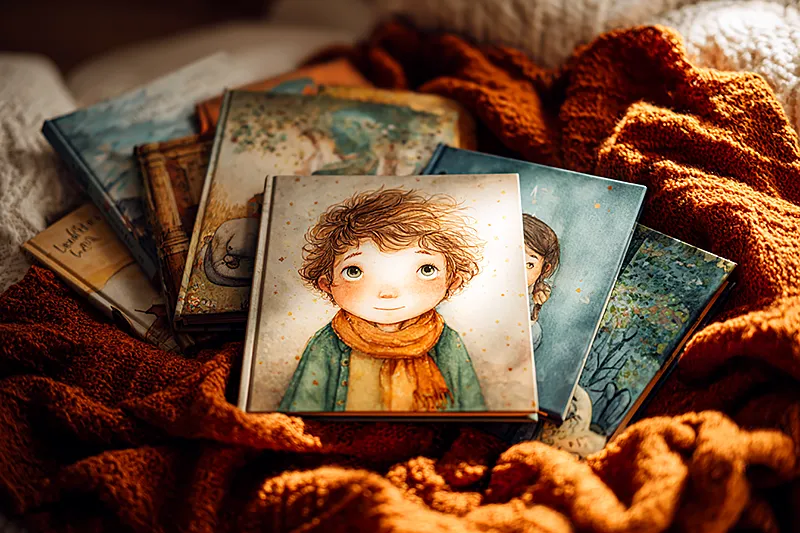
Best Personalized Books for Kids in 2026
What 'personalized' actually means now, and how to tell the difference between a name on a cover and a story written for your child.
A Personalized Book for New Parents: The Gift That Starts as Their Story Too
New parents are often given useful things, beautiful things, exhausting numbers of tiny things. A personalized book gives them something rarer: a way to hold the beginning before the beginning starts to blur.
The Graduation Gift That Travels With Them
They're moving on. The best gift marks where they've been — before the chapter closes.