
The Graduation Gift That Travels With Them
They're moving on. The best gift marks where they've been — before the chapter closes.
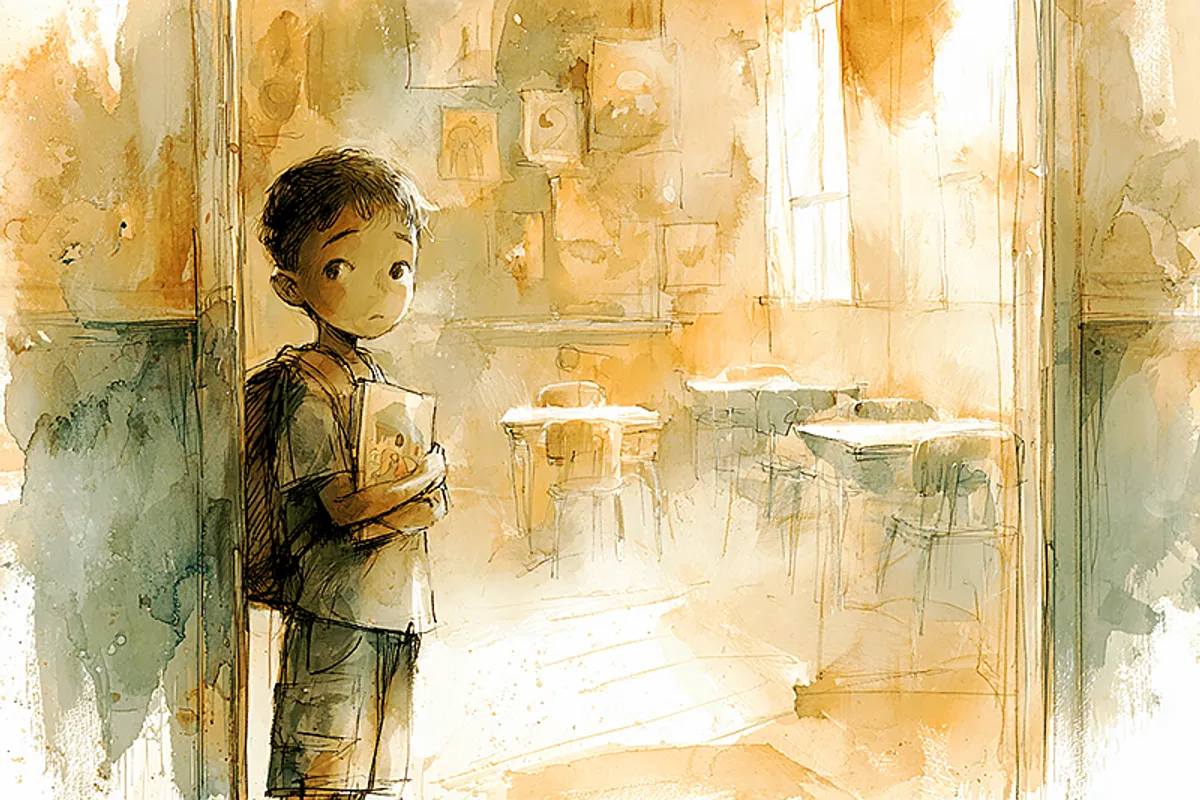
There is a particular kind of graduation that most people don’t think of as a graduation. Finishing elementary school. Moving from one school building to another. Leaving the preschool classroom that smelled like paint and play-dough. Saying goodbye to the teacher who knew every child’s name and their Thursday mood.
These endings are real, and children feel them even when adults don’t notice.
What Graduation Gifts Are For
The big graduations — secondary school, university — have an established gift vocabulary. Money, cards, champagne for the adults, a weekend trip. The symbolic weight is understood and socially acknowledged.
The smaller graduations have no such vocabulary. The child moving from second grade to third grade, from elementary school to middle school, from the class they’ve known for three years to an entirely new environment: there is no obvious gift for that. Parents buy something practical. Grandparents send money. Teachers write in a yearbook or class memory book.
What tends to be missing is a gift that says: this particular chapter of your life was real. Here is evidence of who you were during it.
Why Personalized Books Work for Transitions
Psychologists who work with children’s transitions — school changes, family changes, moves — consistently note the importance of narrative continuity: the child’s ability to see themselves as a continuous self across change. Stories are one of the primary ways children build this continuity.
A book that reflects a child at a specific moment in their life functions differently from a functional gift. It is not useful in the way money is useful or clothing is useful. It is useful in the way photographs are useful: it preserves something that would otherwise become unclear over time.
The child who receives a personalized book at the end of elementary school has an artifact of who they were in fifth grade. At thirteen, they will look at it and be mildly embarrassed. At twenty-five, they will feel something else.
Making It Specific Enough to Matter
The risk with any keepsake gift is genericness. A book that says “you’ve finished school and great things await” is a card, extended. A book that reflects this specific child — their name, their personality, the kind of person they actually were during this chapter — is something else.
The details that make personalization real:
- The child’s name and age, of course
- What kind of child they were during this period: curious, funny, determined, kind
- What they cared about: dinosaurs, football, art, the particular friend they sat next to every day
- A photo, if possible, so the character in the story has their face
What you are giving is not a book about a graduate. It is a book about this child, at this age, in this moment just before they move on.
A Note on the Giver
This type of gift works for parents, grandparents, godparents, aunties and uncles, and teachers who want to give something individual rather than collective.
Teachers who give personalized books — one per child, or one for a particularly close student — create an artifact that the child is likely to keep for decades. The gift says: you mattered here, specifically, not just as a student but as a person. The teacher remembers this child in particular.
That kind of recognition, at a transition moment, is precisely what developmental psychologists mean when they talk about children needing “significant adults” outside the immediate family. A teacher who gives this gift is playing that role.
Practical Notes
Creating a personalized book takes 10–15 minutes. You provide the child’s name, age, some personality details, and optionally a photo. The AI writes an original story for this specific child; the illustrations are generated from the photo.
Timing: If the graduation is June, order in May. Gelato ships globally with standard print timelines — enough time for a comfortable arrival before the last day of school.
Price range: $69–$129.
The child will have forgotten most of what they received at their graduation. They will not have forgotten the book that knew who they were, before they became whoever they’re about to be.

20% off your first book.
One email. One code. No pressure.
We respect your inbox. Unsubscribe anytime.
Read Next
A Personalized Book for New Parents: The Gift That Starts as Their Story Too
New parents are often given useful things, beautiful things, exhausting numbers of tiny things. A personalized book gives them something rarer: a way to hold the beginning before the beginning starts to blur.
A Personalized Book for the New Baby: The Birth Gift That Grows With Them
A new baby arrives without a story. A personalized book is the first story anyone has ever told specifically about them — written before they can read it, kept until they can.
Best Personalized Children's Books: What Actually Makes One Worth Buying
The personalized children's book market has exploded. Most of what's out there inserts a name into a template and calls it personalization. Here's how to tell the difference — and what makes a truly great one.