
End of School Year Gift: The One That Marks What Actually Happened
A certificate fades. A trophy sits on a shelf until it's forgotten. But a book that captures who your child became this school year — that's the kind of end-of-year marker they'll still understand at thirty.
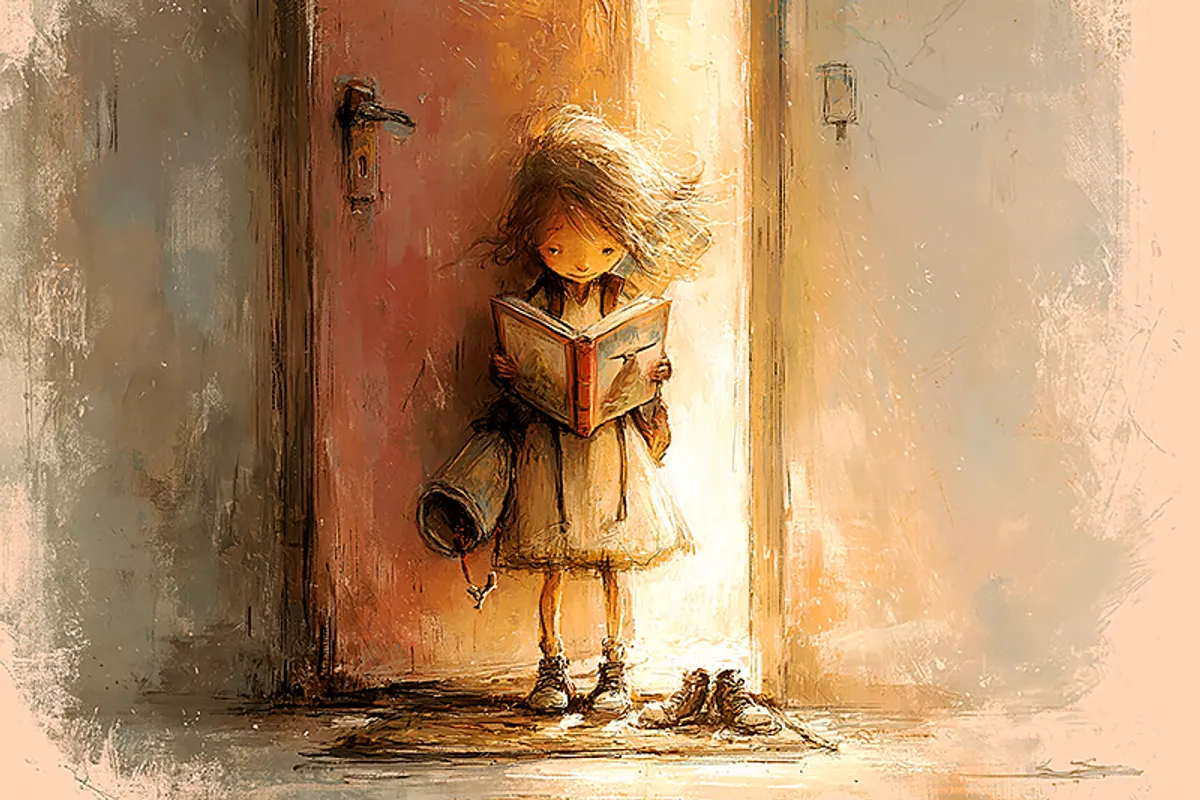
The end of the school year is one of the most undermarked occasions in a child’s life.
Something real happened. Over nine months, a child changed — grew, learned, struggled with things, got better at things, made friendships that mattered, had experiences they’ll carry. The school year is not just a sequence of events. It’s a chapter of development. It deserves to be acknowledged as one.
The problem is that the available end-of-year gestures mostly don’t do this justice. The school itself distributes reports and certificates — formal assessments of performance that capture what the system can measure but miss most of what actually happened. Parents plan summer trips. Extended families give generic congratulations.
What most children receive to mark the end of a school year is recognition that they got through it. What they rarely receive is recognition of who they became in the process.
Why This Moment Matters
Developmental research on milestone marking is fairly consistent: children’s sense of self-continuity — their understanding that the person they were a year ago is connected to the person they are now — is substantially supported by conscious acknowledgment of transitions.
When adults help children understand “you were this, and now you’re that, and here’s how we got there,” children develop a richer narrative sense of their own lives. They understand themselves as people who develop over time, whose growth has been witnessed and valued. This narrative self-understanding is associated with resilience, positive self-concept, and the ability to contextualize setbacks within a longer personal history.
An end-of-year gift that does this — that says not just “well done for finishing” but “here’s who you became” — contributes to this developmental resource in a way that a generic congratulation gift can’t.
What a Personalized Book Captures
A personalized book commissioned for the end of the school year works differently from the same book given at another time. The occasion shapes how the gift is received.
Given at the end of the year, the book arrives in a moment of transition and reflection. The child is processing what the year was. They’re saying goodbye to a classroom, a teacher, perhaps a friend who is moving schools. They’re standing at the threshold of summer, which feels long and unstructured and a little unmoored after months of routine.
A book that is about them — that captures something true about who they are, what they’re capable of, what makes them specifically them — is a gift that arrives at exactly the right moment. It’s not celebratory in the generic sense. It’s reflective. It says: we see who you’ve become.
The Teacher Gift Dimension
End-of-school-year is also, of course, the season of the teacher gift. A personalized book can work in this context too, though the logic is different: here the gift is from the family to the teacher, celebrating the teacher’s role in the year’s development.
But the more interesting version — the one less often considered — is the gift from parent to child that explicitly acknowledges what this year’s teacher helped them become. A personalized book given with a note that says “this book is about the person you became in Year Three” creates a specific connection between the year’s experience and the child’s identity development. It gives the child something to return to when they’re trying to remember who they were at six or seven or eight — and what that year meant.
Choosing the Right Time
The sweet spot for giving an end-of-school-year personalized book is the last week of school or the first week of summer break — the narrow window when the year is fresh enough to be meaningful but the child has released the immediate pressure of routine.
Too early (mid-May) and the year isn’t finished yet; the child is still in the middle of it. Too late (August) and the year has faded into summer’s long blur. The transition moment — the week of the last day, the first few days of freedom — is when this gift lands with the most weight.
A child who receives a book about themselves in the week they finish school is receiving it at the exact moment they’re evaluating the year. They’re in the right state to appreciate what it’s saying.
What It Says About the Year
Every school year teaches a child something about themselves. Not just academic content, but self-knowledge: what they can handle, what’s harder than they thought, what they’re better at than they expected. A year of learning to read, or navigating a difficult friendship, or discovering a talent for something they’d never tried before — these are formation events.
A personalized book given at the end of the year doesn’t have to reference any of these specific events directly. What it does, simply by being a book that was made about this specific child, is affirm that the formation happened. That the person who emerged from this year is worth a whole story.
That’s a message worth giving every year.
And unlike the school photo, it never gets recycled out of the drawer.

20% off your first book.
One email. One code. No pressure.
We respect your inbox. Unsubscribe anytime.
Read Next
Kindergarten Graduation Gift: What to Give for the Year That Actually Changed Them
Kindergarten isn't just a school year. It's the year children discover who they are outside of home. The gift that marks it should acknowledge what actually happened — not just that they finished.
The Mother's Day Gift She Didn't Know She Wanted
She'll say she doesn't need anything. What she actually wants is evidence — that someone was paying attention to her child, to the texture of their days together, to the specific small person only she really knows. A personalized book is that evidence, and the one Mother's Day gift that stays.
What Goes in an Easter Basket That Lasts Past Sunday
Most Easter basket contents peak at discovery and decline from there. One item can be different.