
The Teacher End-of-Year Gift That Isn't a Mug
Teachers receive seventeen mugs a year. They remember the things that saw them clearly.
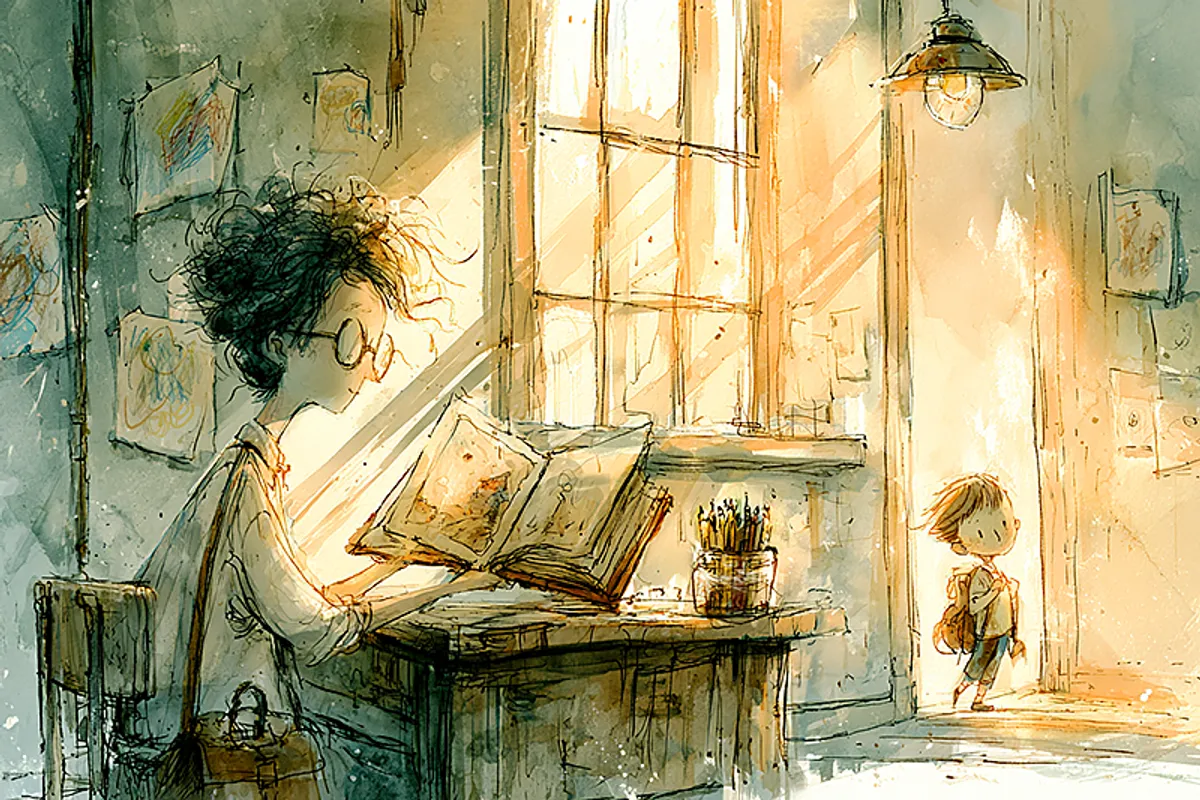
The teacher end-of-year gift is one of the stranger social rituals of contemporary parenthood. The classroom parents organize a collection. Everyone chips in. Someone buys a spa gift card the teacher will never use, or a mug with a sentiment about teaching being a calling, or a candle that smells like someone’s idea of relaxation.
This is done with genuine goodwill. The impulse behind it is real. The execution rarely matches.
The problem is not the budget. It is the instinct to find something teachers-in-general like, rather than something this specific person might actually keep.
What Teachers Actually Receive
Survey any teacher about the end of June and you will hear variations on the same story. The mugs accumulate. The chocolates are eaten and forgotten. The gift cards expire. The small plants die. The generic stationery sits in a drawer.
None of this means the gifts were given without love. It means the gifts were chosen for the category “teacher” rather than for the person who showed up to the classroom every day for nine months.
The gifts teachers mention keeping are different. A letter that named something specific the child learned. A drawing the child made of the two of them. Something that was clearly made for this teacher, by this family, about this year.
What Makes Something Worth Keeping
A gift is worth keeping when it carries specific information. Not “you are appreciated” in general, but evidence that someone noticed something particular: this teacher’s patience during the transition back from Christmas, the way she remembered which child was afraid of the fire alarm, the afternoon she spent an extra twenty minutes helping a child who was struggling to read.
General appreciation is kind. Specific recognition is rare, and the difference in how it lands is significant.
Most end-of-year gifts are in the business of general appreciation. They communicate warmth without content. Teachers feel the warmth and understand it. The gift itself does not stick.
A Different Kind of End-of-Year Gift
Personalized books are usually given to children. Occasionally they make sense as gifts from the classroom to the teacher, or from a family to mark the end of a year.
A book that a child helped create, featuring that child and dedicated to the teacher who guided them through the year, is specific in the way few gifts are. It says: this year happened. You were part of it. Here is evidence of the child you helped, in the form of a story about exactly who they were right now.
The teacher becomes the reader rather than the recipient of a product. That is a different experience.
Practical Notes for End-of-Year Gifts
For individual families: A personalized book takes 10–15 minutes to create online and ships within standard print timelines. Setting the story during the school year, with the child as the hero navigating something they genuinely navigated this year, makes the dedication to the teacher meaningful rather than formulaic.
For classroom collections: Some families combine a small personal book with a note from the class, so the teacher receives both a specific object and a record of the year. The book provides something to keep; the note provides context.
Timing: End-of-year is late June in most UK and Australian schools, mid-to-late May for some US districts. Ordering with two to three weeks to spare keeps everything comfortable.
The Standard Worth Reaching
A good end-of-year teacher gift does not have to be expensive. It has to communicate that the family thought about this specific teacher and this specific year.
A mug is for teachers in general. A letter is for this teacher. A book that reflects the child they helped shape, this year, at this age, given with specific words about what that teacher did: that is for this teacher.
Most families are fully capable of doing this. The gap is usually not effort. It is permission to stop buying the category gift and make something actually specific instead.
That is all a memorable gift ever was: evidence that someone paid attention.

20% off your first book.
One email. One code. No pressure.
We respect your inbox. Unsubscribe anytime.
Read Next
A Personalized Book for New Parents: The Gift That Starts as Their Story Too
New parents are often given useful things, beautiful things, exhausting numbers of tiny things. A personalized book gives them something rarer: a way to hold the beginning before the beginning starts to blur.
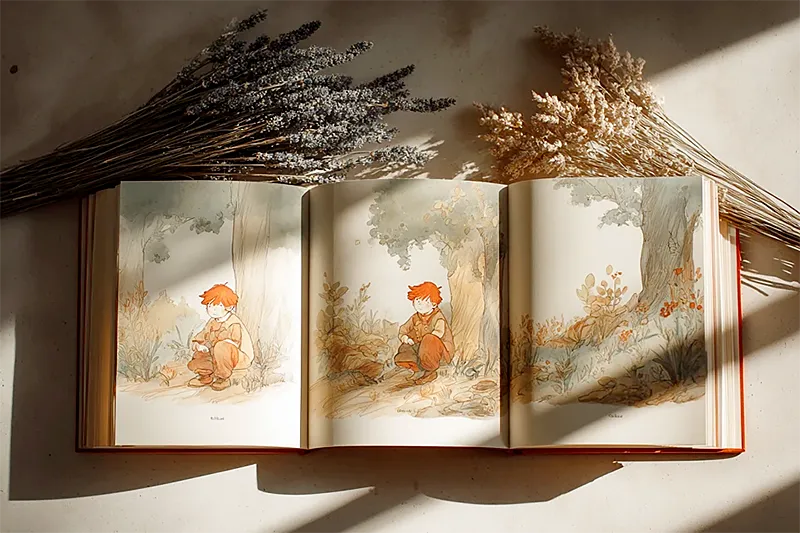
Best Personalized Children's Books: What Actually Makes One Worth Buying
The personalized children's book market has exploded. Most of what's out there inserts a name into a template and calls it personalization. Here's how to tell the difference — and what makes a truly great one.
The Graduation Gift That Travels With Them
They're moving on. The best gift marks where they've been — before the chapter closes.