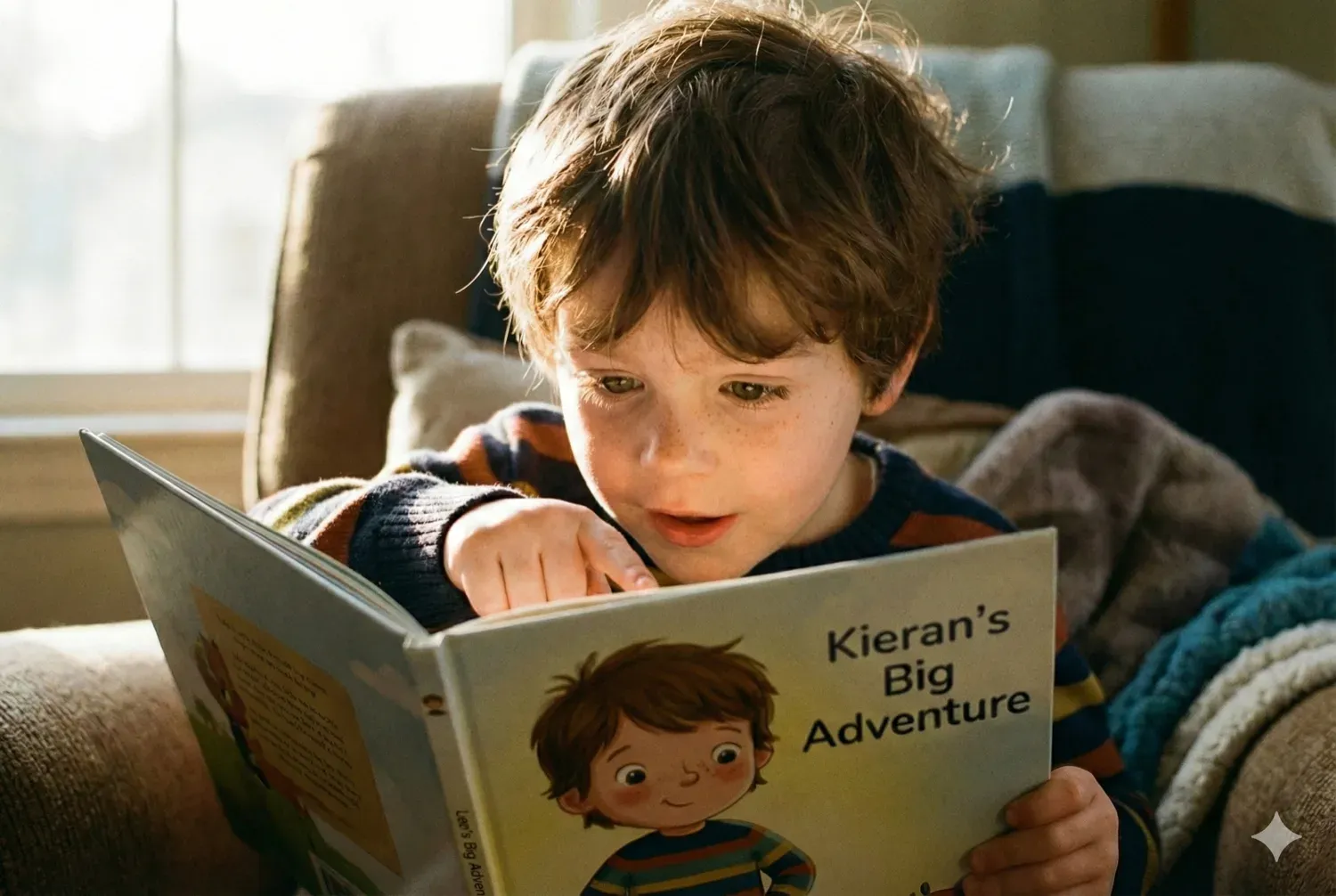
Why Personalized Books Work Especially Well for Children With ADHD
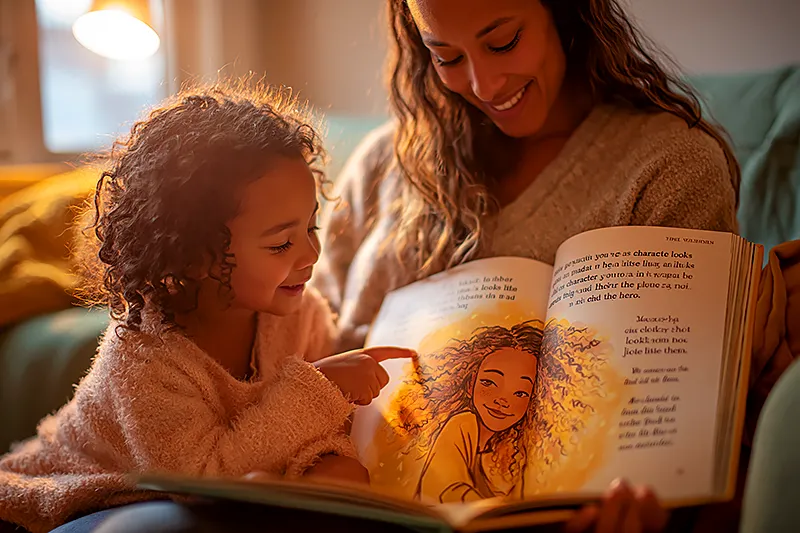
The research on ADHD and reading engagement points to something specific about how these children respond to stories that are about them.
Four is the year children discover they can be the hero of the story — not just a listener, but the protagonist. A personalized book at this age doesn't just entertain. It builds the narrative through which they understand who they are.
A child's name in a pre-written story is a nice gesture. Three decades of cognitive research say the brain knows the difference between that and being truly seen.
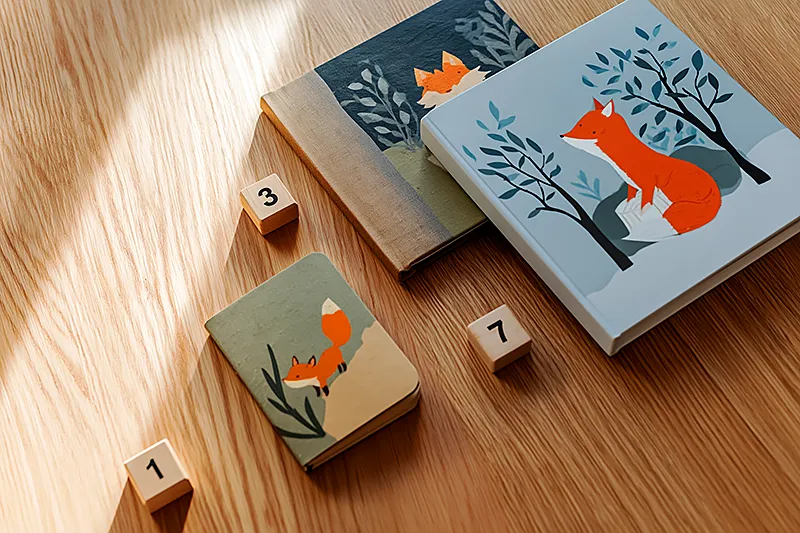
Not every personalized book works for every age. Here's what actually matters at 1, 3, 5, and 7 — and what to ignore.
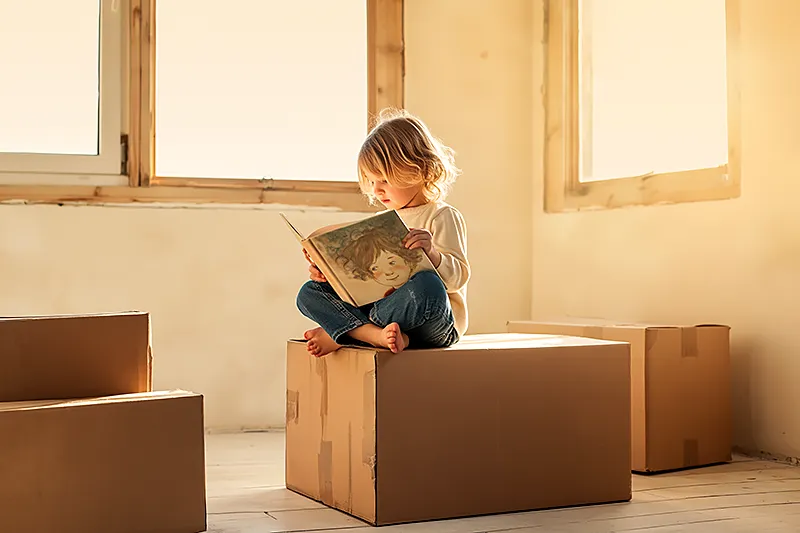
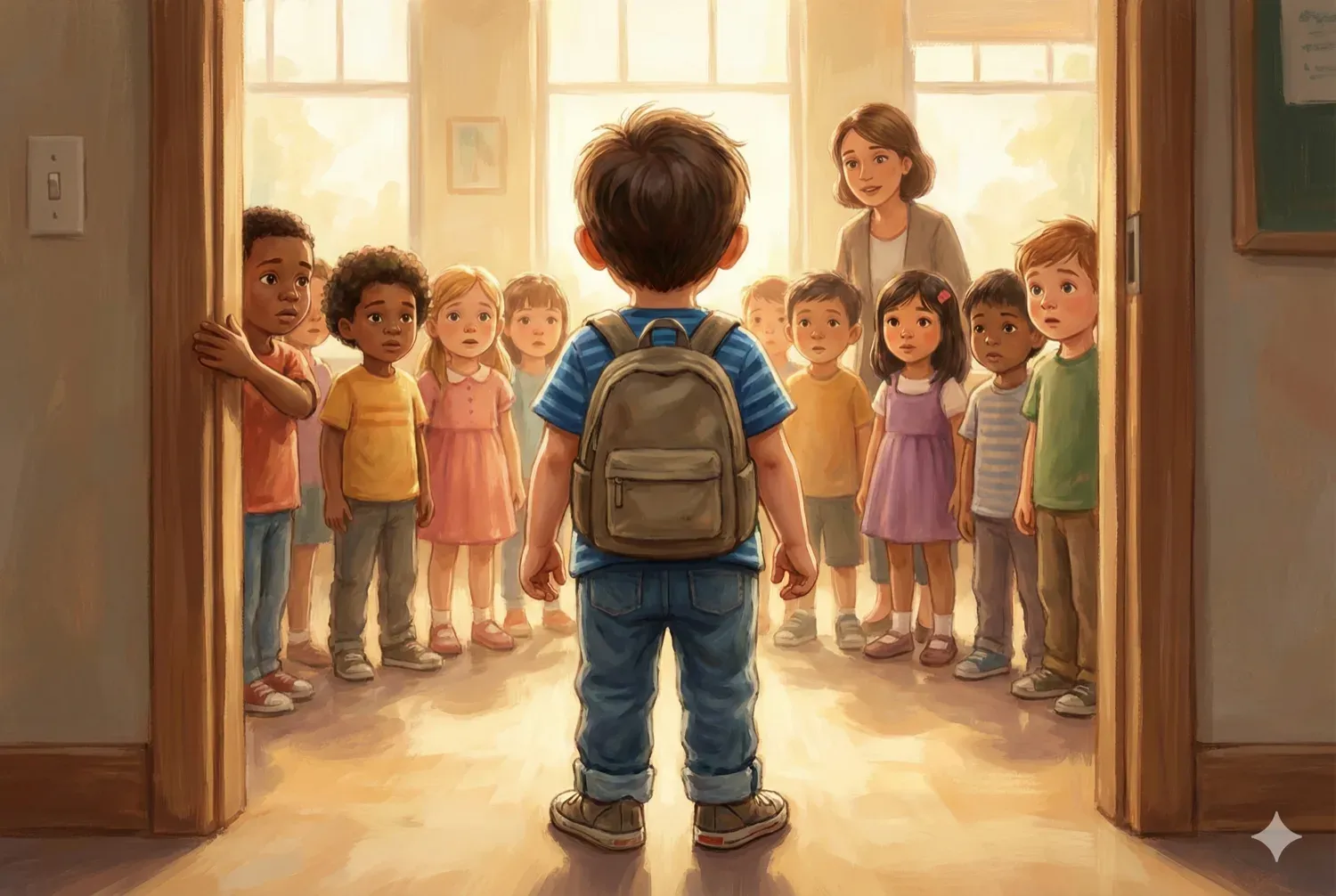
Moving, starting school, welcoming a sibling — transitions don't come with instructions. But a story can make the unfamiliar feel survivable.
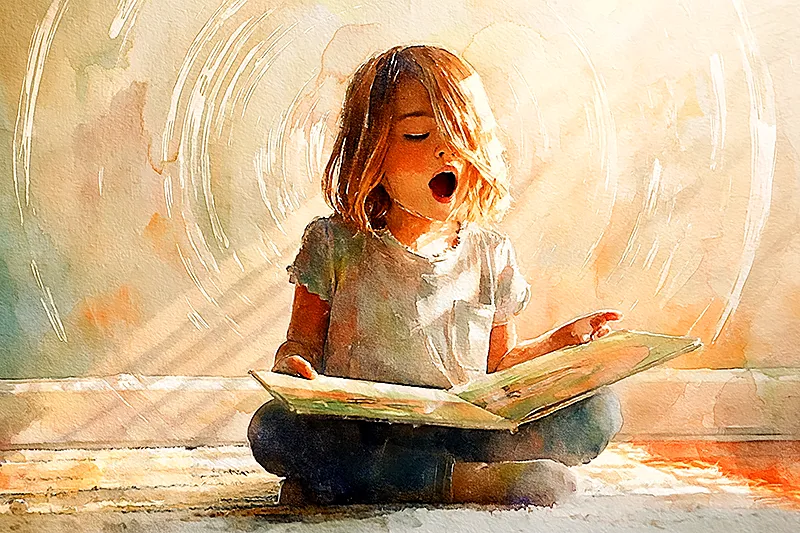
Children absorb poetry before they understand it. The rhythm trains the ear, builds memory, and regulates the body. The words come later.
When a child sees themselves in a story, their brain does not just recognize the image. It simulates being inside it. The neuroscience of why personalization changes everything.
Personalized books sound lovely. But is there science behind it? Three decades of research say the answer changes everything.
Not more words. Not faster reading. What a four-year-old needs from a book is to see the world bend around their questions.
Reading doesn't start when a child understands words. It starts when the brain starts listening. And the brain starts listening before birth.
It's not just bonding. It's architecture. The science of what shared reading builds inside a developing mind.
Why the stories we tell children about themselves matter more than we think.
Literacy is in crisis. But the solution isn't complicated — it's putting stories in children's hands, whatever form they take.
They're not memorizing. They're learning to read.
Stories don't owe children lessons. They owe them the dignity of being felt.
Stories don't eliminate fear. They teach children that fear isn't the end of the sentence.
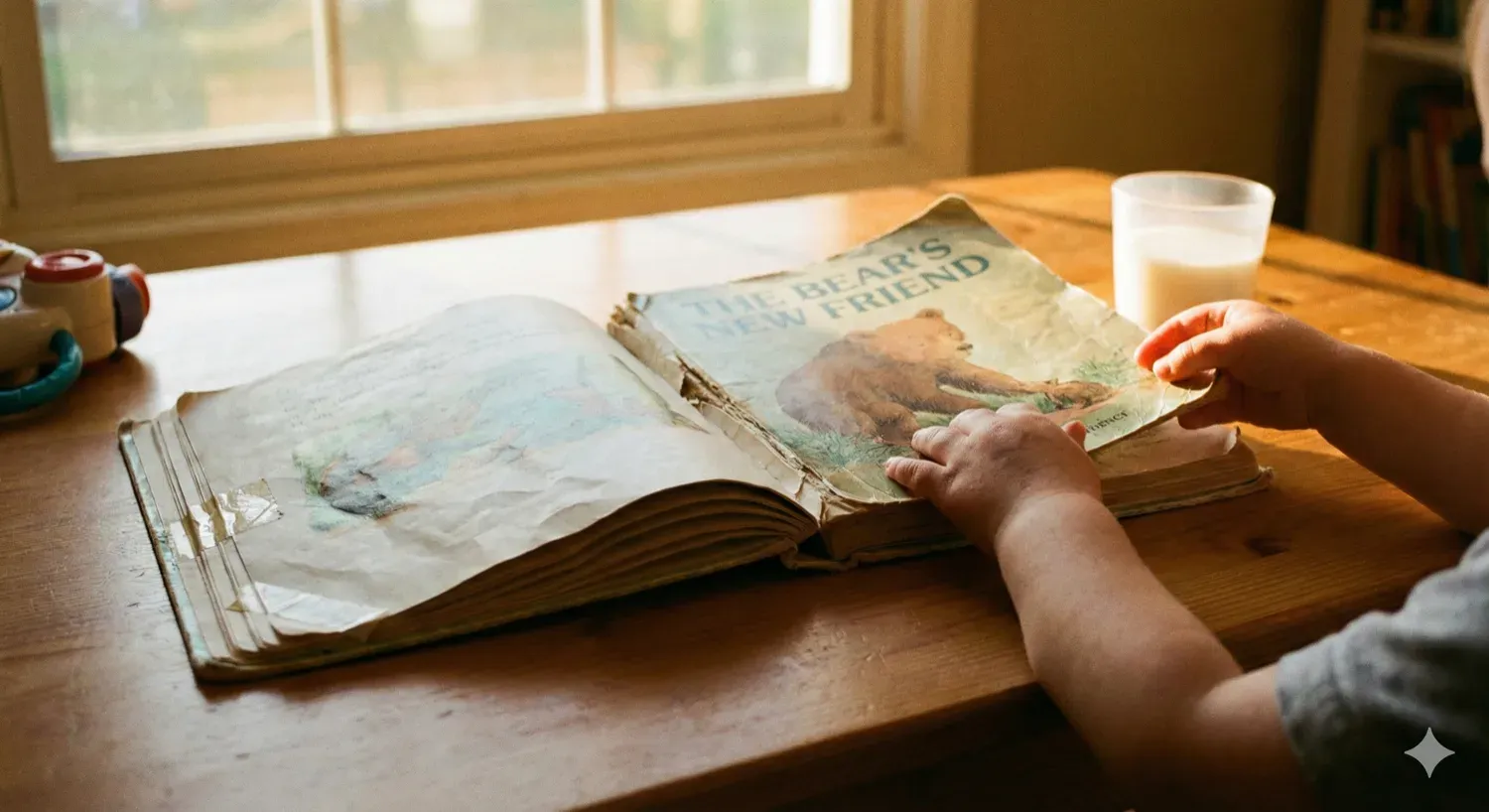
When a child asks for the same book every night, they're not stuck. They're building something.
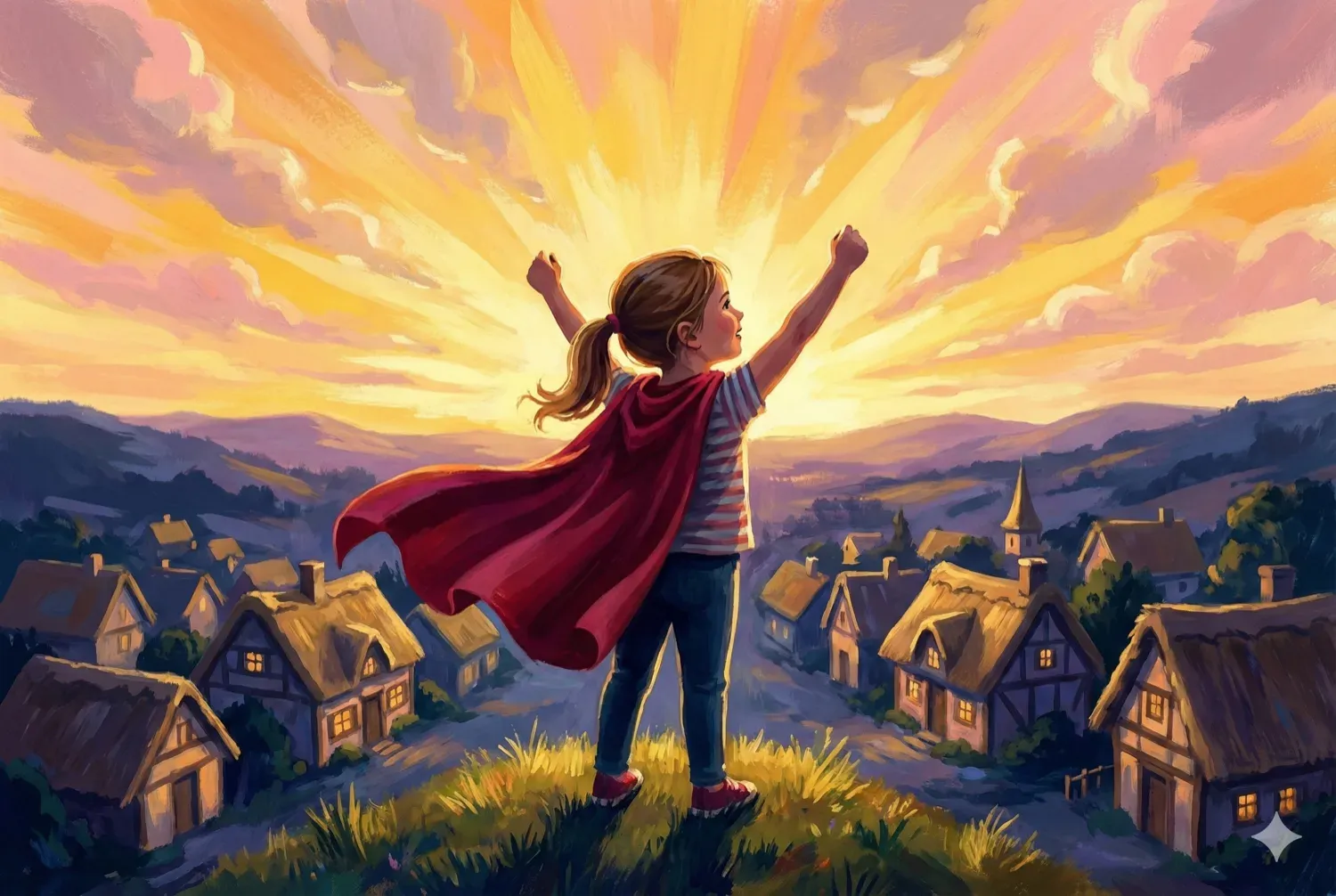
Heroes don't need superpowers. They need courage. For children, heroism looks like walking into a new classroom, saying sorry, or trying again after falling.
A child recognizing their own face in a story isn't novelty. It's identity taking root.