Personalized Books for Children on the Autism Spectrum: What Actually Helps
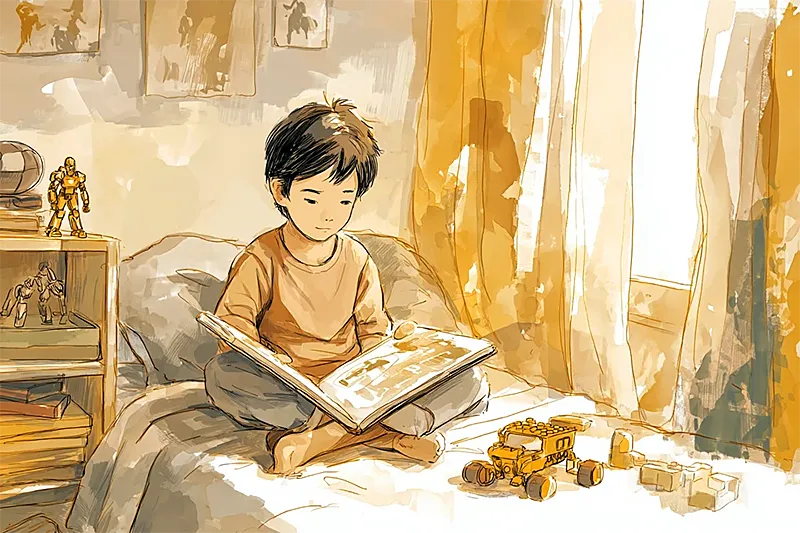
Many autistic children find it difficult to connect with books about other people. That difficulty, and how personalization addresses it, has a clear explanation.
The research on ADHD and reading engagement points to something specific about how these children respond to stories that are about them.
The difference between a name-swap and an AI-written story is not a marketing distinction. It changes what the book is.
A certificate fades. A trophy sits on a shelf until it's forgotten. But a book that captures who your child became this school year — that's the kind of end-of-year marker they'll still understand at thirty.
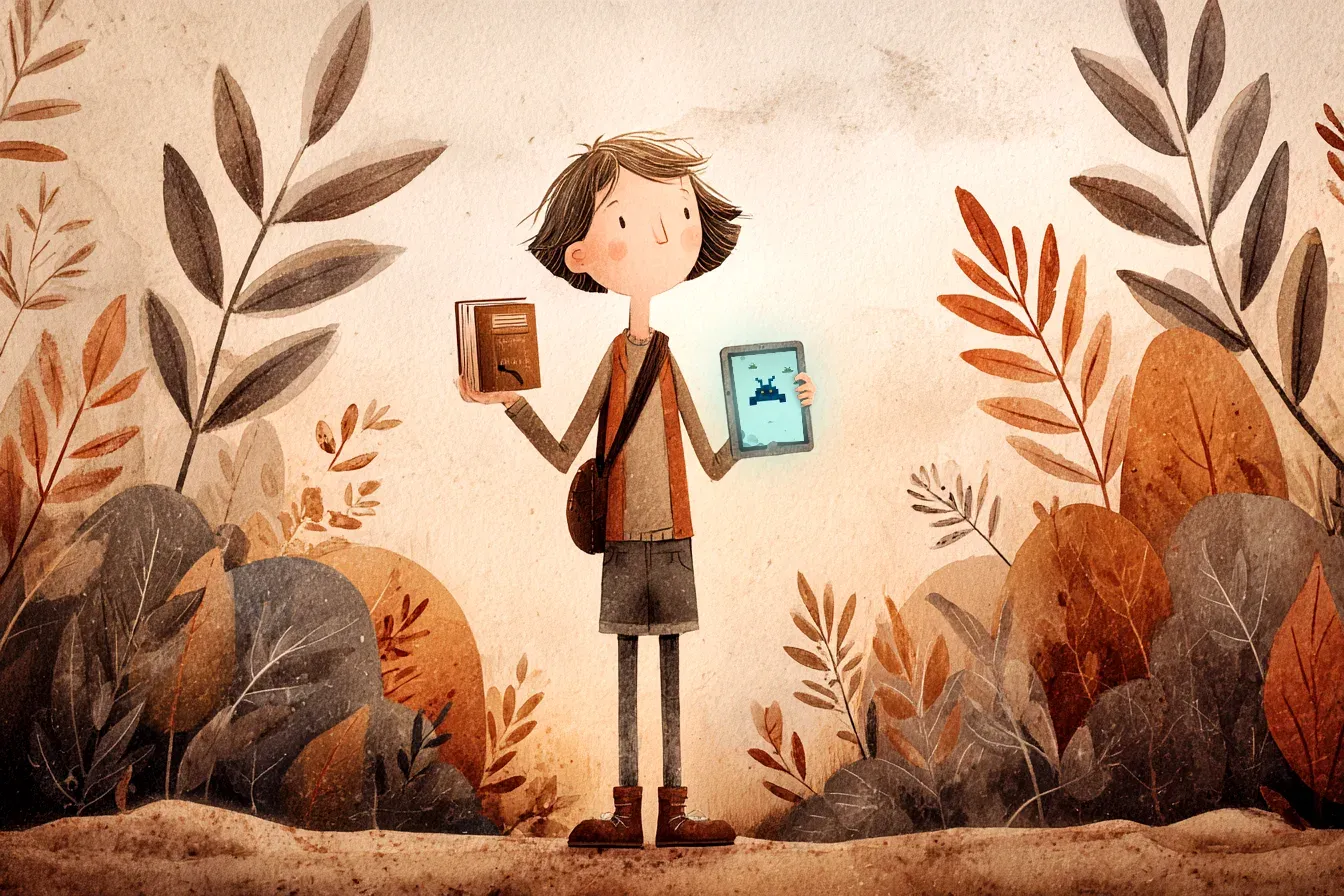
Most children's books don't stand a chance against a tablet. A personalized book does something different — it makes the child the star. And children will put down a screen for a chance to see themselves as the hero.
Most personalized books change the name. A few change something else entirely. The difference is not subtle once you've seen it.
She doesn't know which night is the last time she'll be called at 3am. Which morning is the last time he'll want to hold her hand crossing the street. A personalized book captures the child as they are right now — before this version of them quietly becomes last year.
She'll say she doesn't need anything. What she actually wants is evidence — that someone was paying attention to her child, to the texture of their days together, to the specific small person only she really knows. A personalized book is that evidence, and the one Mother's Day gift that stays.
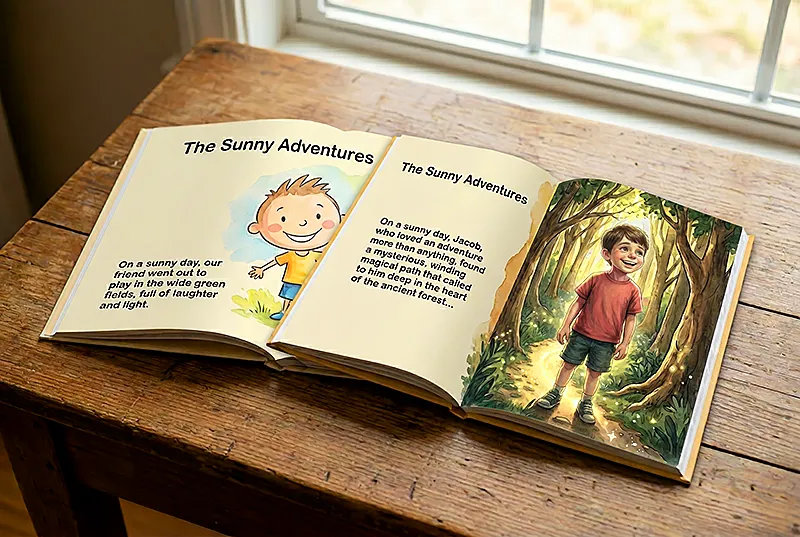
Putting a child's name in a story is not the same as writing a story for them. The difference is larger than it sounds.
You want to make something beautiful with your child's photo. You also want to know exactly what happens to it. Both instincts are correct.
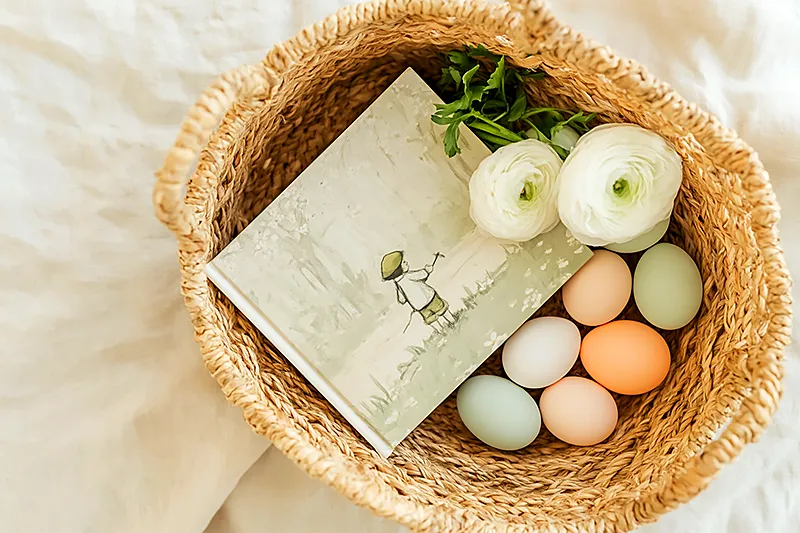
Most Easter basket contents peak at discovery and decline from there. One item can be different.
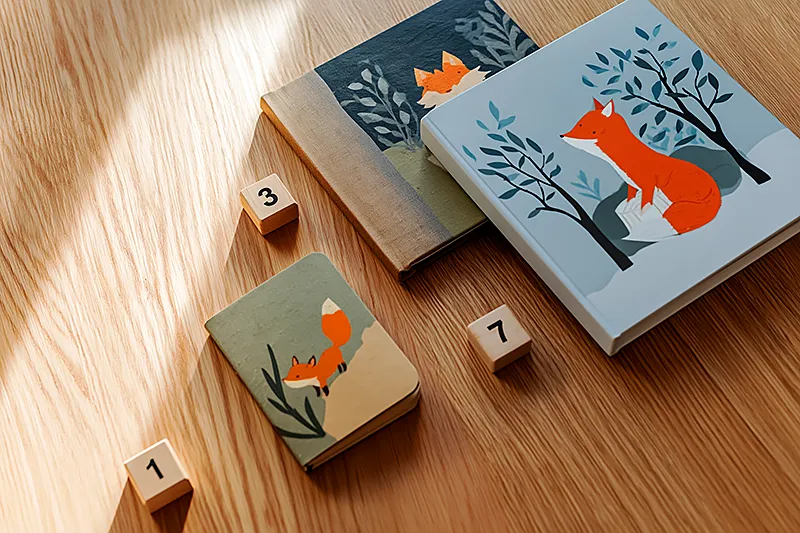
Not every personalized book works for every age. Here's what actually matters at 1, 3, 5, and 7 — and what to ignore.
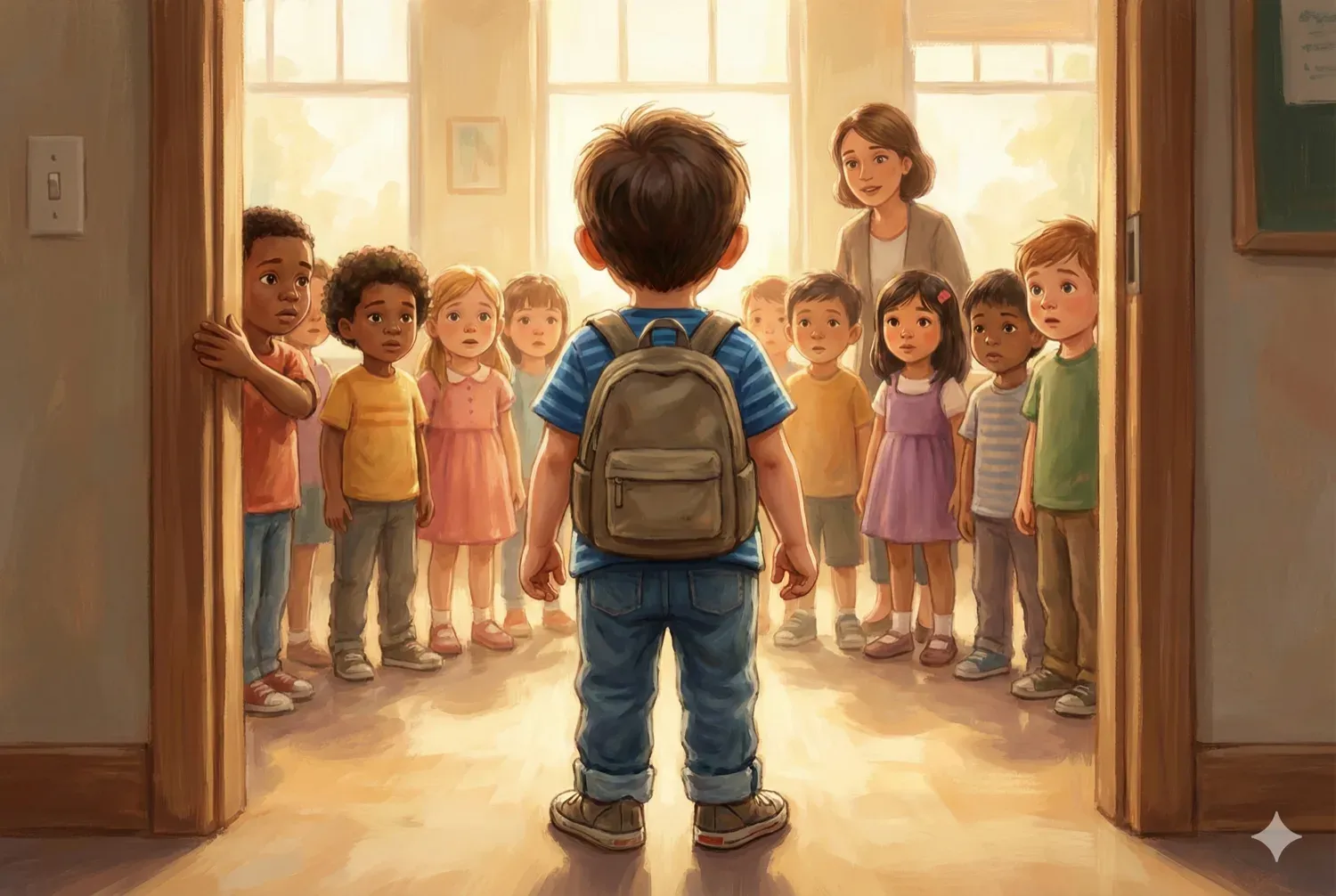
Moving, starting school, welcoming a sibling — transitions don't come with instructions. But a story can make the unfamiliar feel survivable.
A one-year-old doesn't need another push toy. They need something made for exactly who they are right now — before that person disappears.
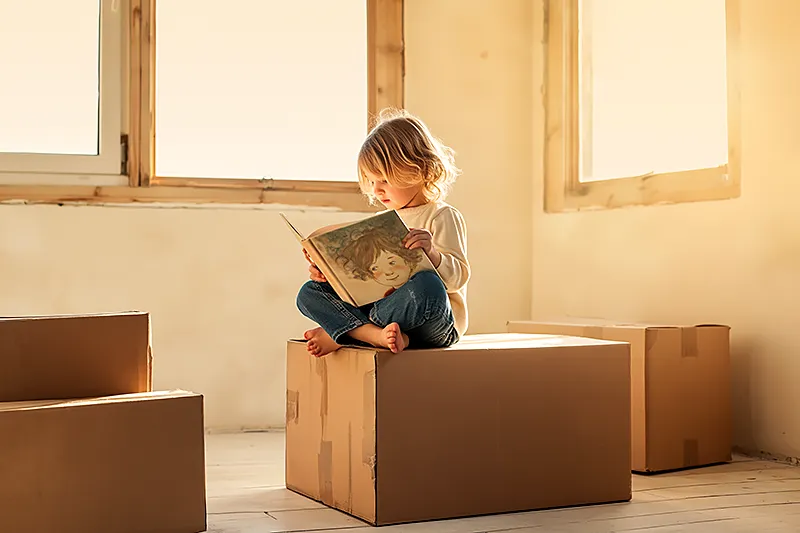
A child's brain is ready for stories before their hands can hold one. Here is what to put in those hands, and when.
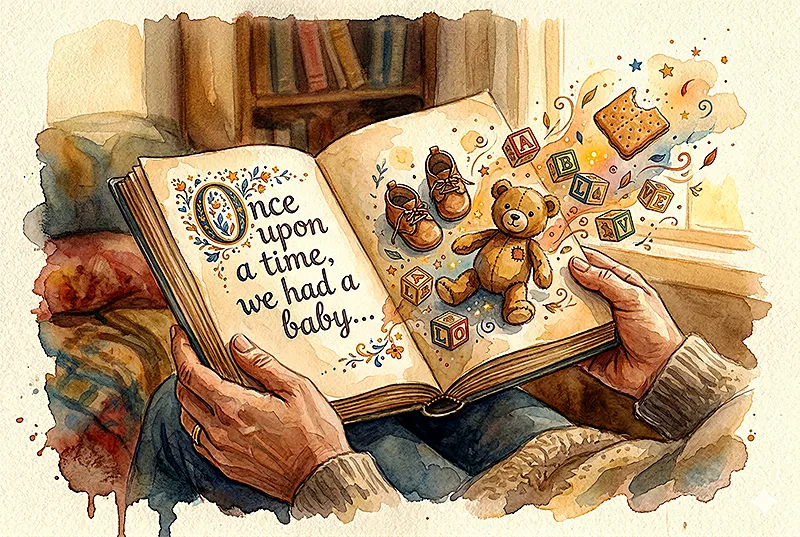
Every parent's story starts with the same six words. What happens after is the part no one else can write.
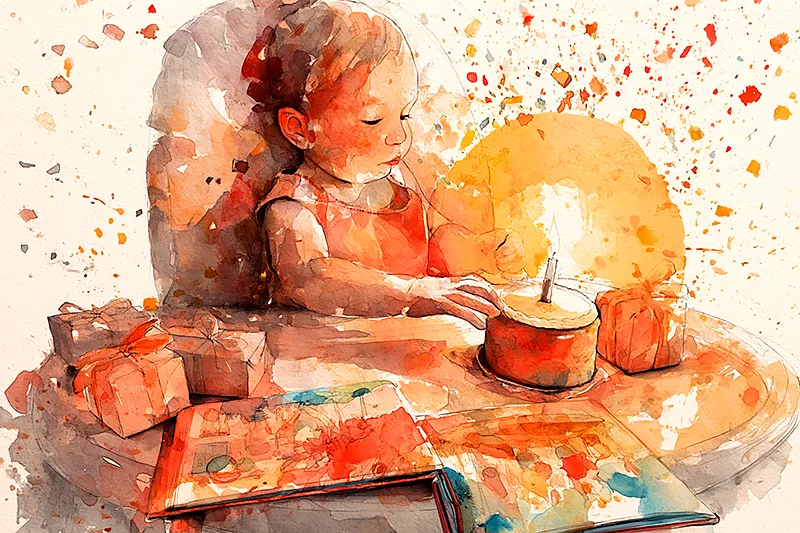
It's not just a party. It's a time stamp. And the best birthday gifts know the difference.
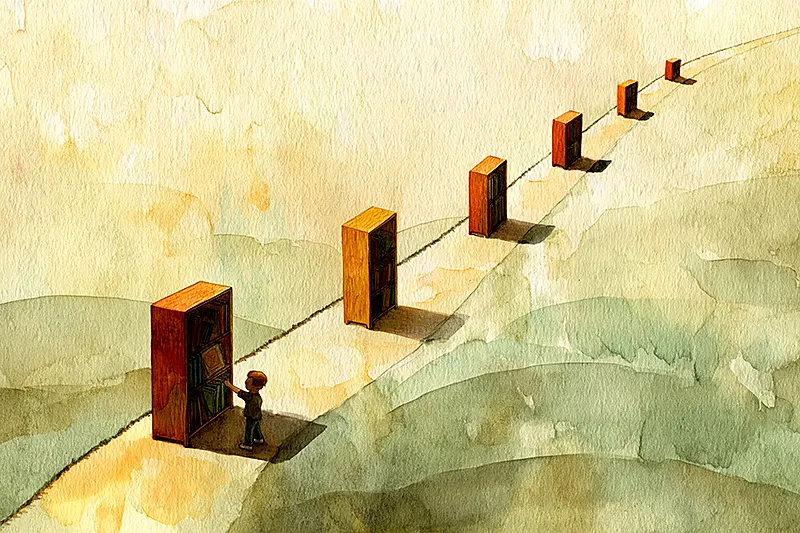
One kid reads Dog Man. The other still eats crayons. Somewhere between the two, seven years vanished.
Not more words. Not faster reading. What a four-year-old needs from a book is to see the world bend around their questions.
If reading needs a designated day, something has gone wrong. But the day exists because something is worth protecting.
Reading doesn't start when a child understands words. It starts when the brain starts listening. And the brain starts listening before birth.
They won't remember the battery-powered truck. They might remember the book where they saw their own face.
They don't need another toy. They need something that proves someone was paying attention.
It's not just bonding. It's architecture. The science of what shared reading builds inside a developing mind.
Not a listicle. Not wishful thinking. A research-backed routine for the age when bedtime becomes a negotiation.
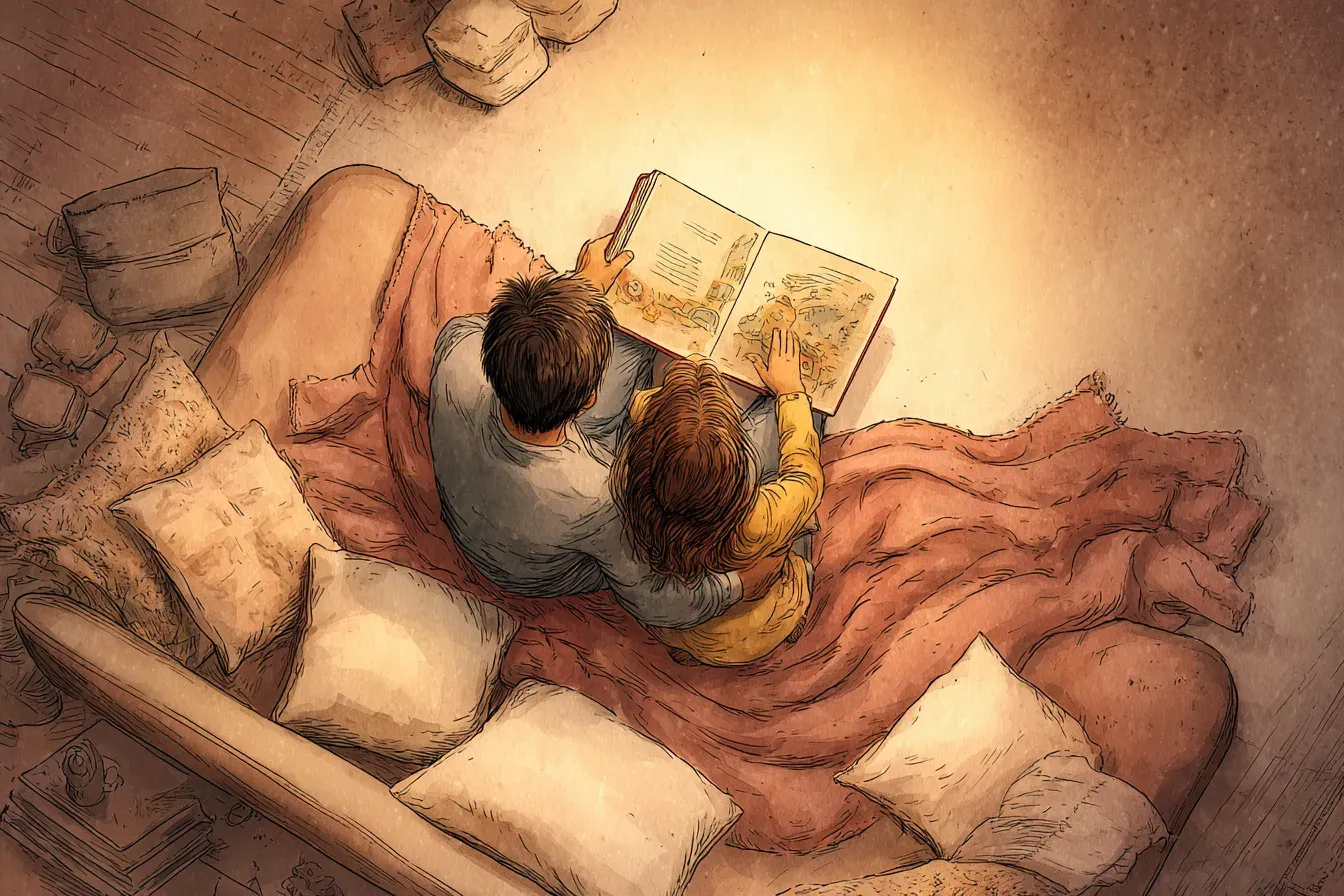
Bedtime reading isn't just about books. It's about building a place where a child feels safe to end their day.
Why the stories we tell children about themselves matter more than we think.
Literacy is in crisis. But the solution isn't complicated — it's putting stories in children's hands, whatever form they take.
Children forget most of what they're given. But certain books stay forever. Here's what makes the difference.
They're not memorizing. They're learning to read.
A new sibling changes everything. Stories can help a child find their place in the bigger family.
Stories don't eliminate fear. They teach children that fear isn't the end of the sentence.
When a child asks for the same book every night, they're not stuck. They're building something.
Heroes don't need superpowers. They need courage. For children, heroism looks like walking into a new classroom, saying sorry, or trying again after falling.
Storytime isn't about getting through the book. It's about what happens in the space between the words.
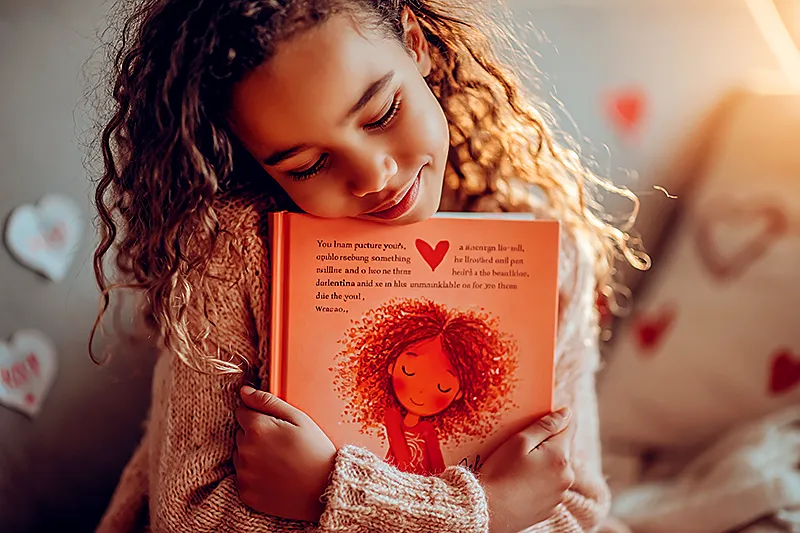
Valentine's Day for children is mostly cards, candy, and classroom exchanges. But the child who receives a book made entirely about them — with their face in the illustrations and their name woven through every page — gets something the classroom exchange can't deliver: the feeling of being fully, specifically loved.