Personalized Books for Children on the Autism Spectrum: What Actually Helps
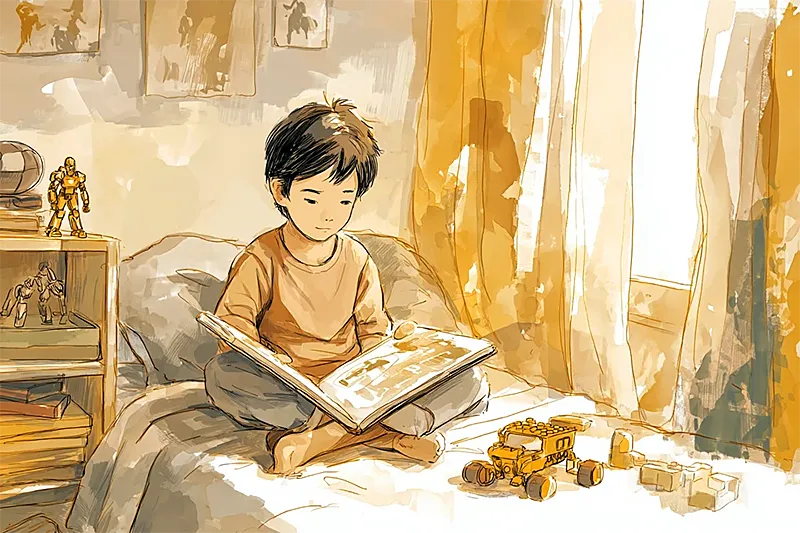
Many autistic children find it difficult to connect with books about other people. That difficulty, and how personalization addresses it, has a clear explanation.
The research on ADHD and reading engagement points to something specific about how these children respond to stories that are about them.
Both make personalized children's books. The price difference is real, and so is the reason for it.
I See Me! is a department store. Libronauts is a portrait studio. The right choice depends on what you're actually after.
The difference between a name-swap and an AI-written story is not a marketing distinction. It changes what the book is.
One says 'No AI.' One says AI is the only way to write a story that's actually about your child. Both are honest.
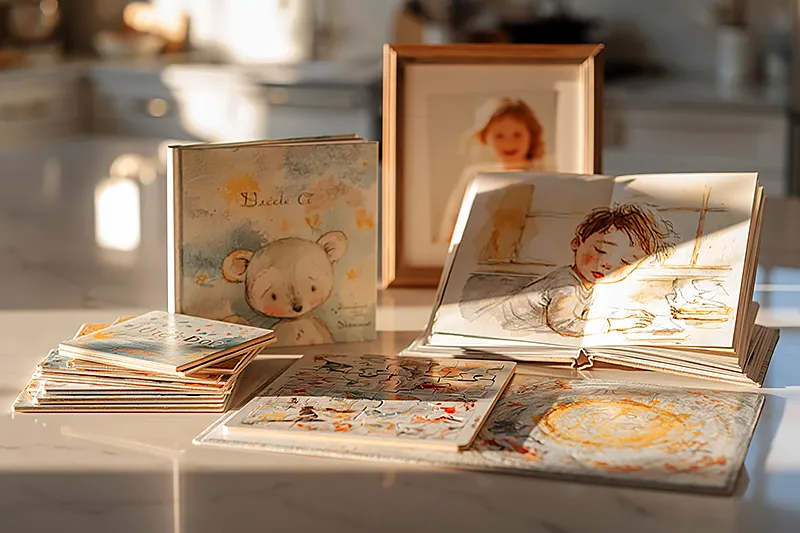
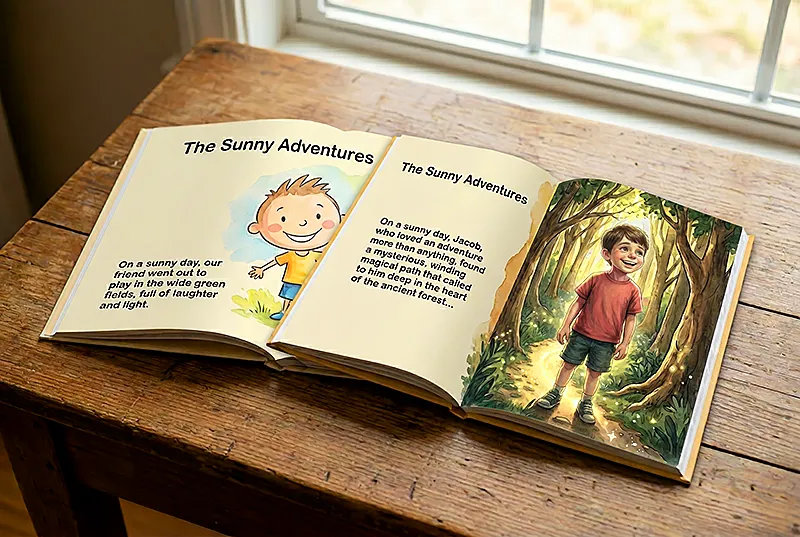
Most personalized books change the name. A few change something else entirely. The difference is not subtle once you've seen it.
Both use AI. Both make personalized children's books. They are doing fundamentally different things.
A child's name in a pre-written story is a nice gesture. Three decades of cognitive research say the brain knows the difference between that and being truly seen.
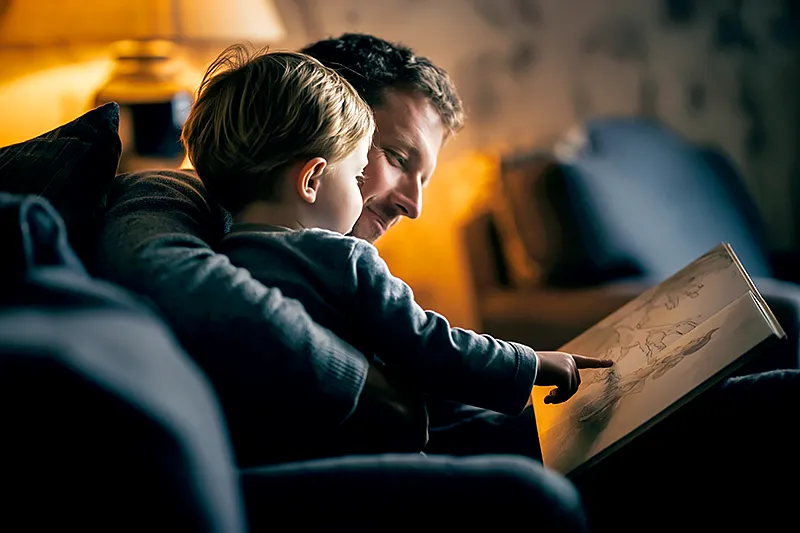
He'll say he doesn't need anything. He might even mean it. But the thing he actually wants — a ritual, a reason to be still with his child — fits in a book.
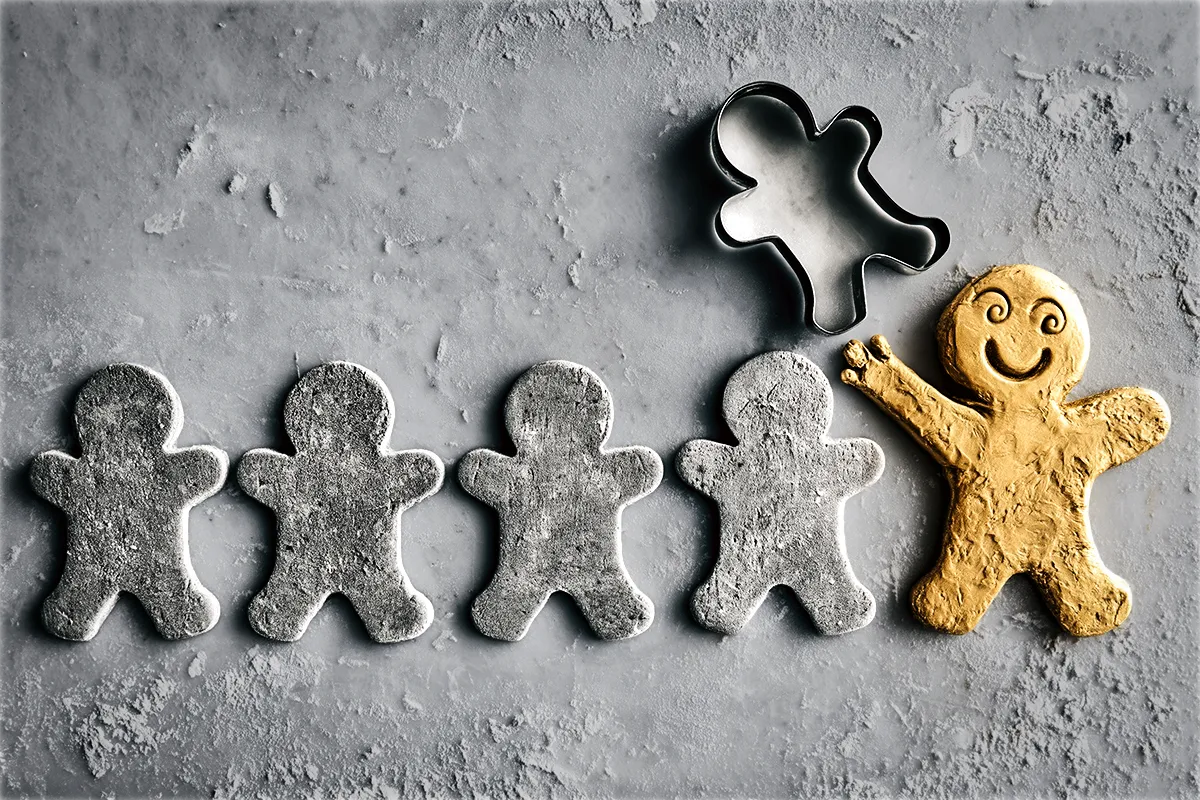
Putting a child's name in a story is not the same as writing a story for them. The difference is larger than it sounds.
Every child's story is worth telling. Some stories just begin in a more remarkable place.
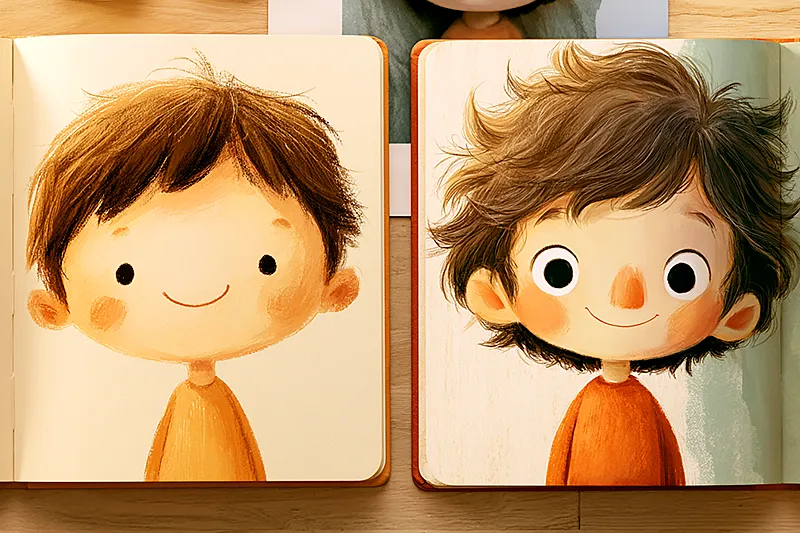
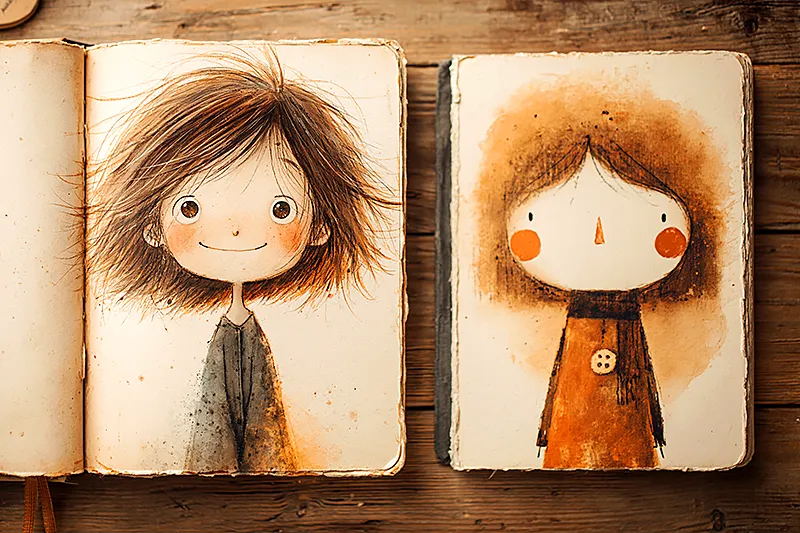
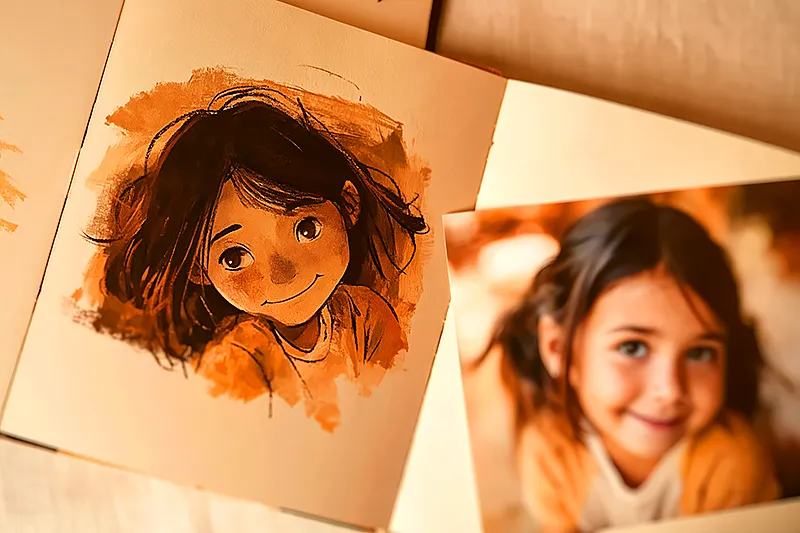
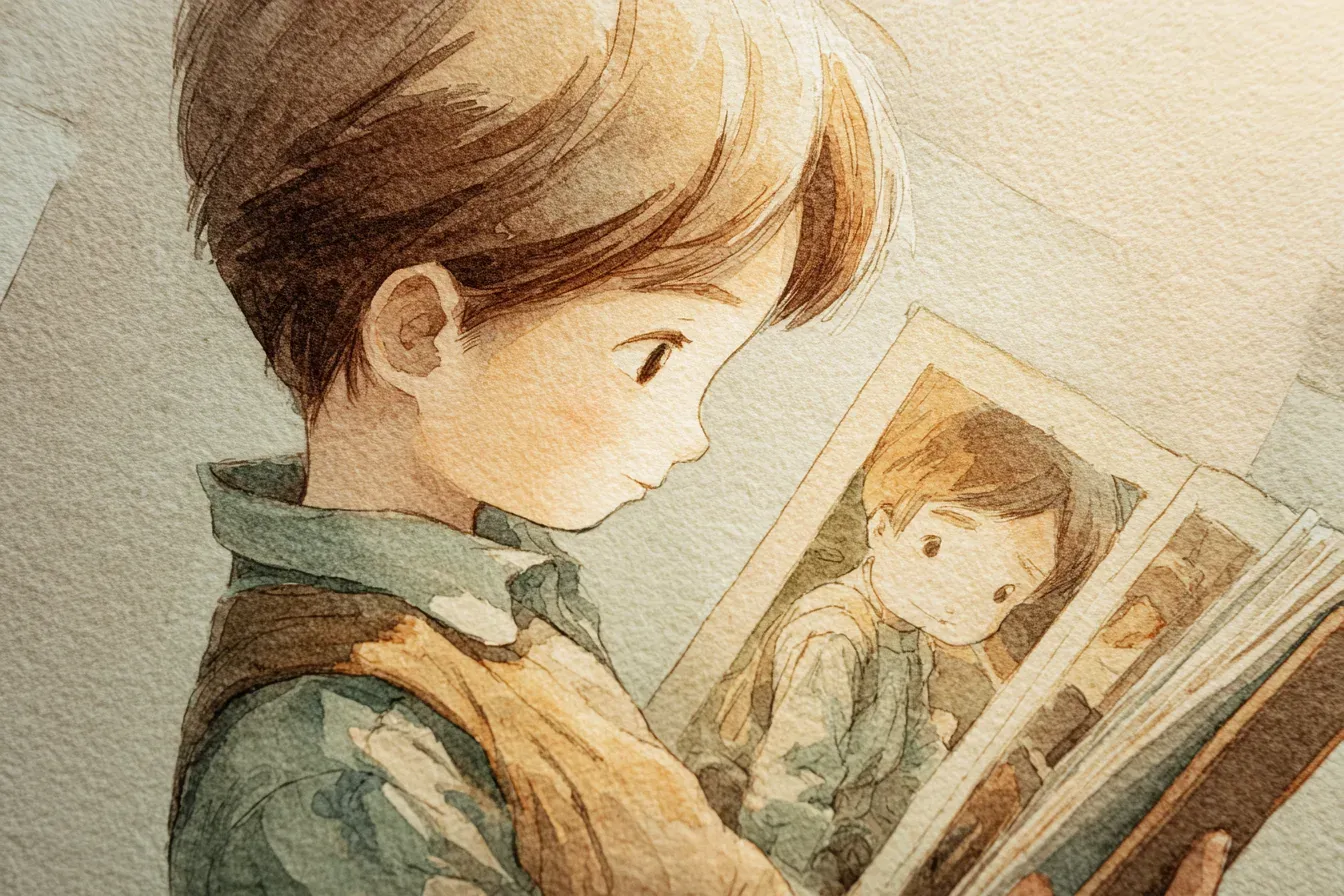
Most personalized books change the name. The best ones change the face.
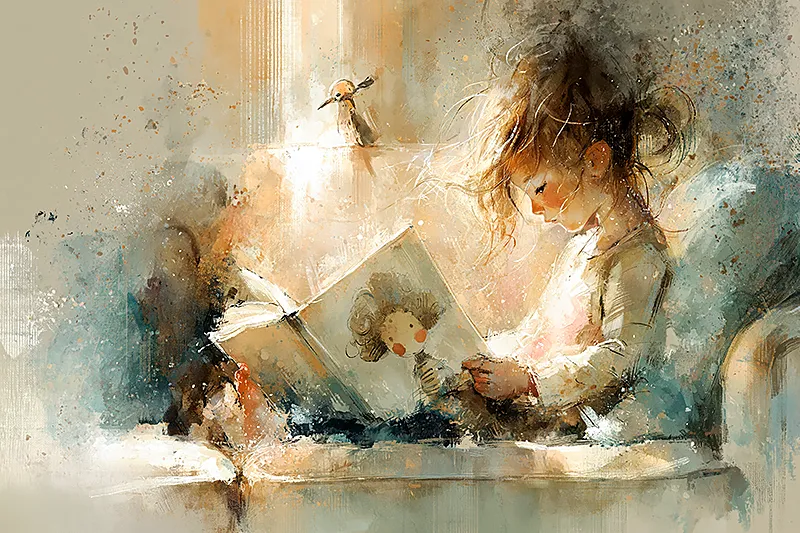
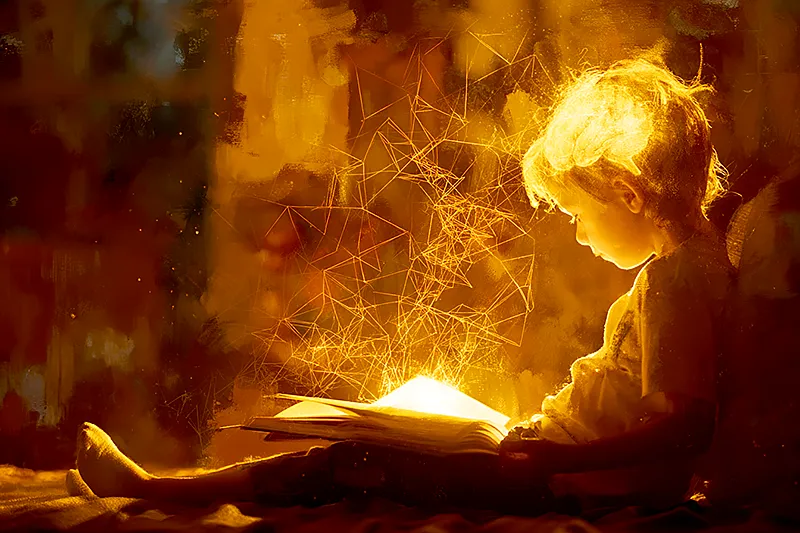
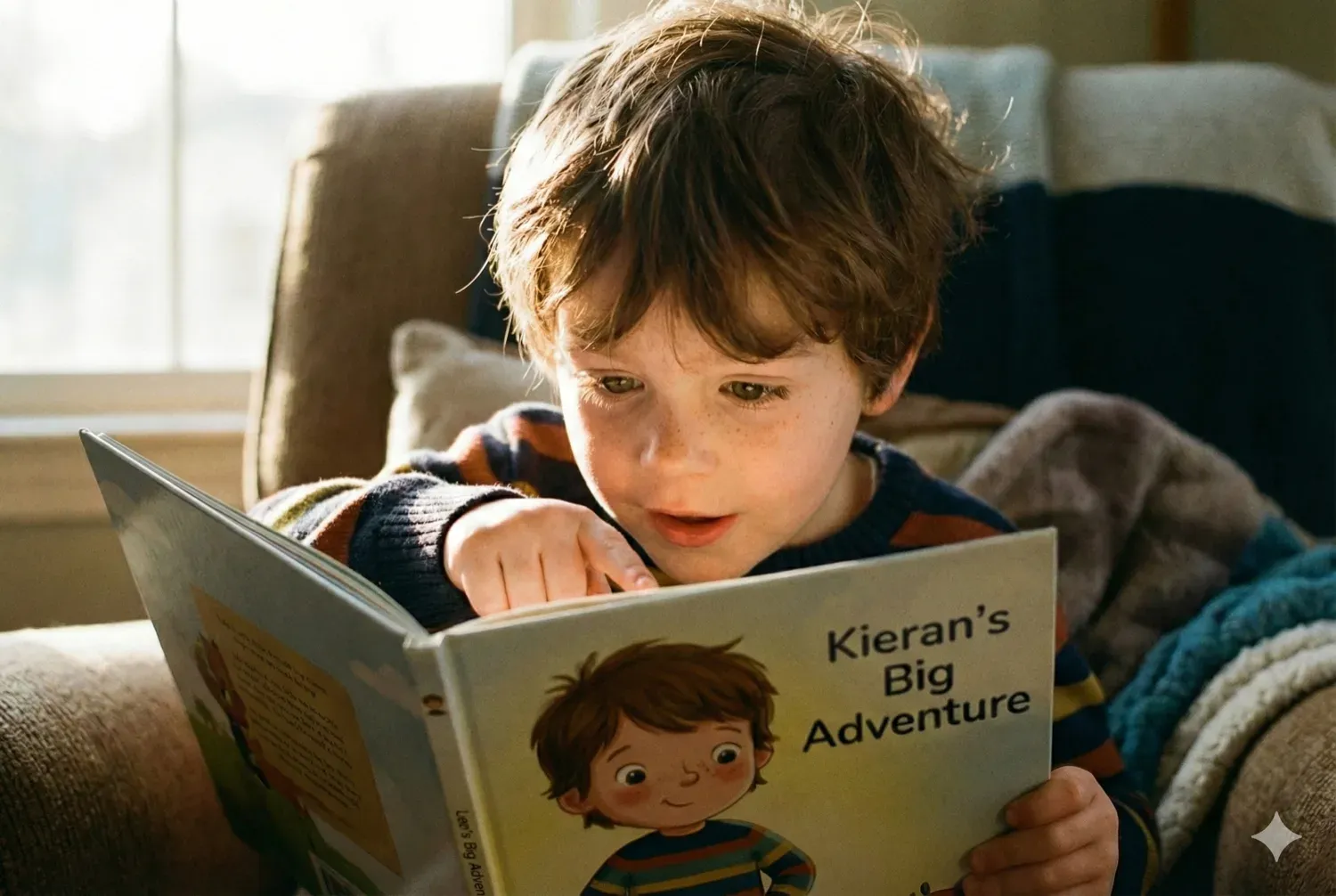
When a child sees themselves in a story, their brain does not just recognize the image. It simulates being inside it. The neuroscience of why personalization changes everything.
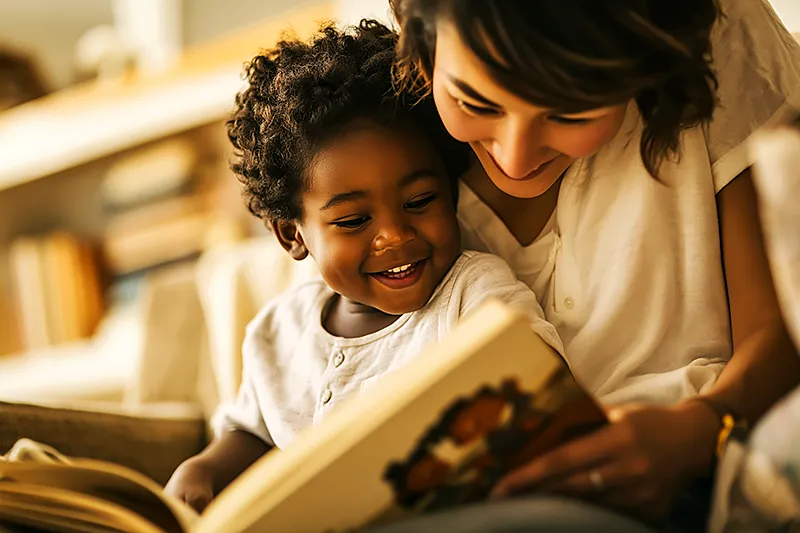
The most meaningful thing you can give a mother isn't wrapped in tissue paper. It's a story read aloud in a small voice, on her lap, before bed.
Personalized books sound lovely. But is there science behind it? Three decades of research say the answer changes everything.
Many personalized children's books get the name right but miss something deeper. The difference between a story a child appears in and one that emerges from them.
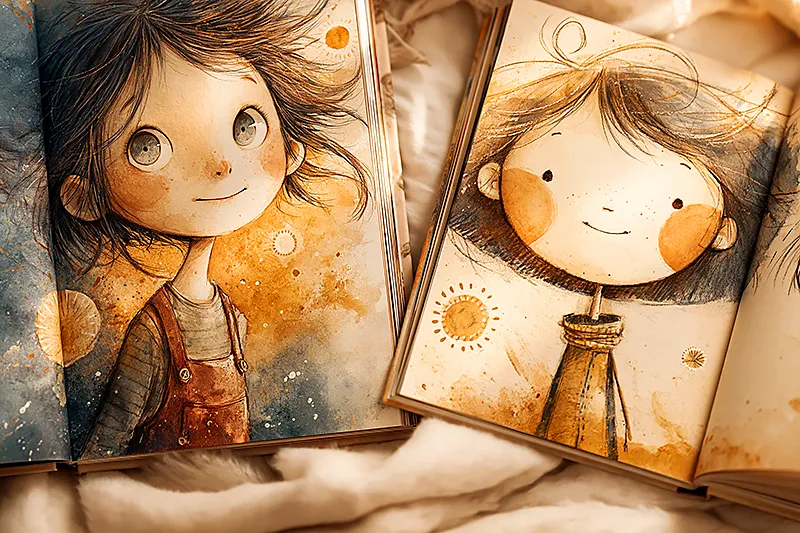
A child recognizing their own face in a story isn't novelty. It's identity taking root.